
Wasp Control
Hire Rest Easy exterminators to protect your home or business from the dangers of wasps with professional nest removal services and targeted treatments.


Rest Easy Pest Control
Best Wasp Pest Control in Raritan, NJ
Most wasp species are aggressive, territorial, and highly defensive of their nests. While some species offer ecological benefits, like helping control other insect populations and contributing to pollination, a large, active infestation can quickly become a threat to the health, safety, and comfort of everyone on your property.
At Rest Easy, our wasp exterminators in Raritan, NJ, specialize in species identification, extermination, and nest removal services. Our experts are trained in the careful, precise handling of wasps and their nests. We can eliminate infestations from your property, avoid aggravating the colony, and prevent recurring problems.
Need help NOW?
You’ve come to the right place
We are proud to offer same-day emergency service for your most urgent pest problems.
Identify Your Pest
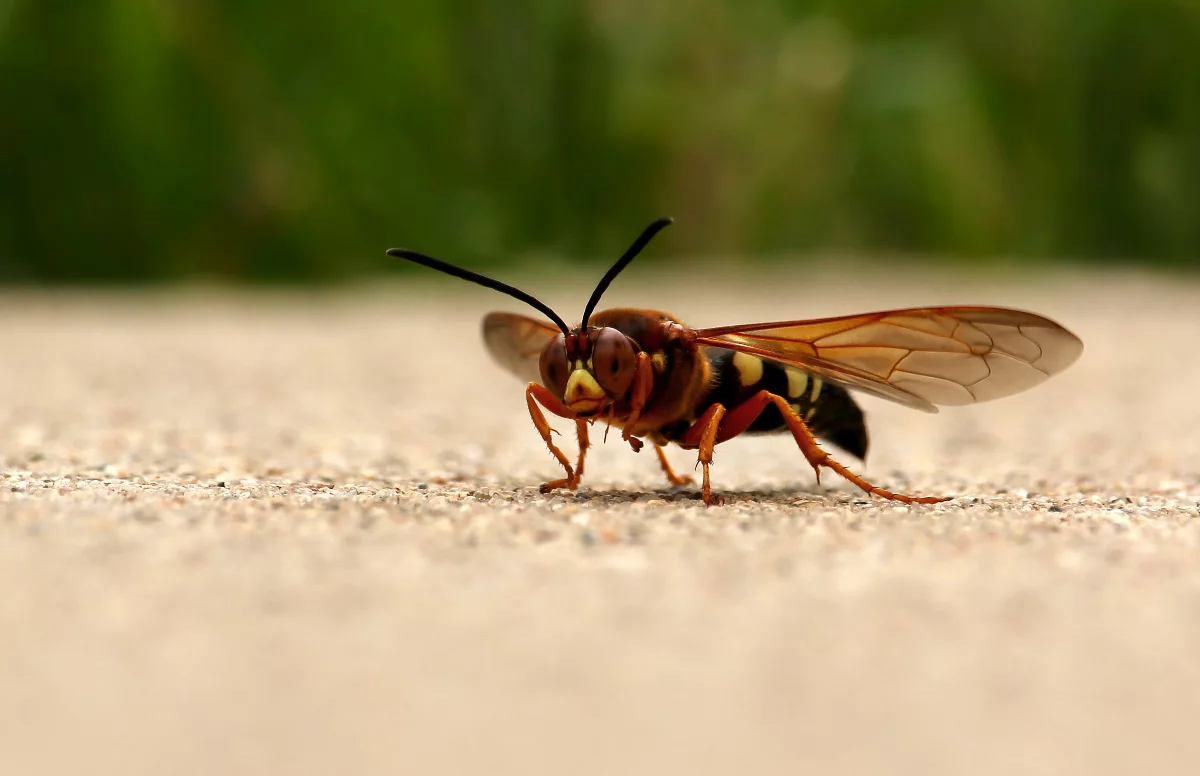
Cicada Killer
Cicada killers are large solitary wasps, with females growing up to 1.5 inches long and males about half that size. They have black abdomens with three yellow bands, dark brown heads and thoraxes, and transparent reddish-brown wings. These wasps dig burrows in flat, sandy soil, creating a U-shaped mound of dirt around the entrance as they build their nests.
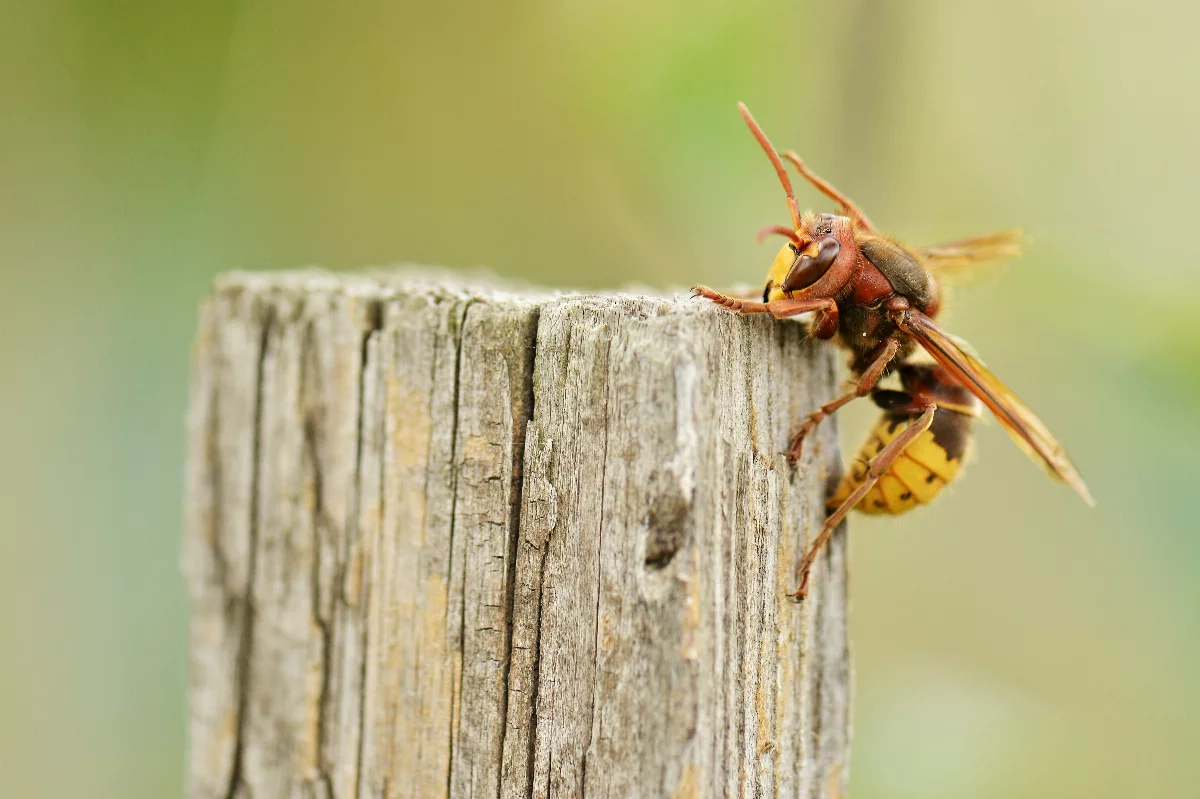
Hornets
Hornets are a large species of wasp, about 1 to 1.5 inches long, with dark brown bodies and yellow or yellow-orange striping. They are social insects, building large, tan, papery nests and growing colonies of about 300 to 500 wasps. While hornets are generally calm when foraging for food, they can become aggressive if their nest is disturbed.
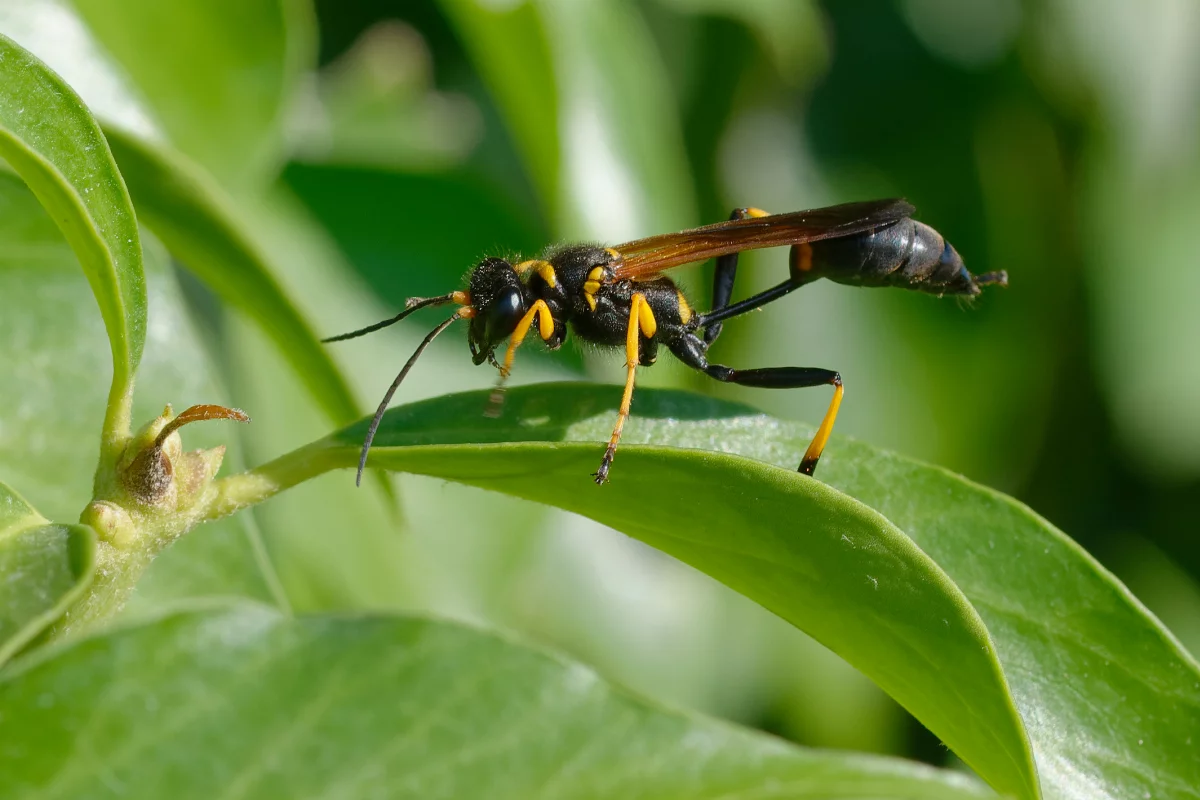
Mud Dauber
Mud daubers are long, slender wasps with narrow, thread-like waists and bodies that are either solid blue, black, or black with yellow markings. Females collect mud to build nests, shaping it into smooth or tubular structures on walls, ceilings, and other sheltered surfaces. These solitary insects are unlikely to sting but can be unsettling and aggressive if threatened or mishandled.
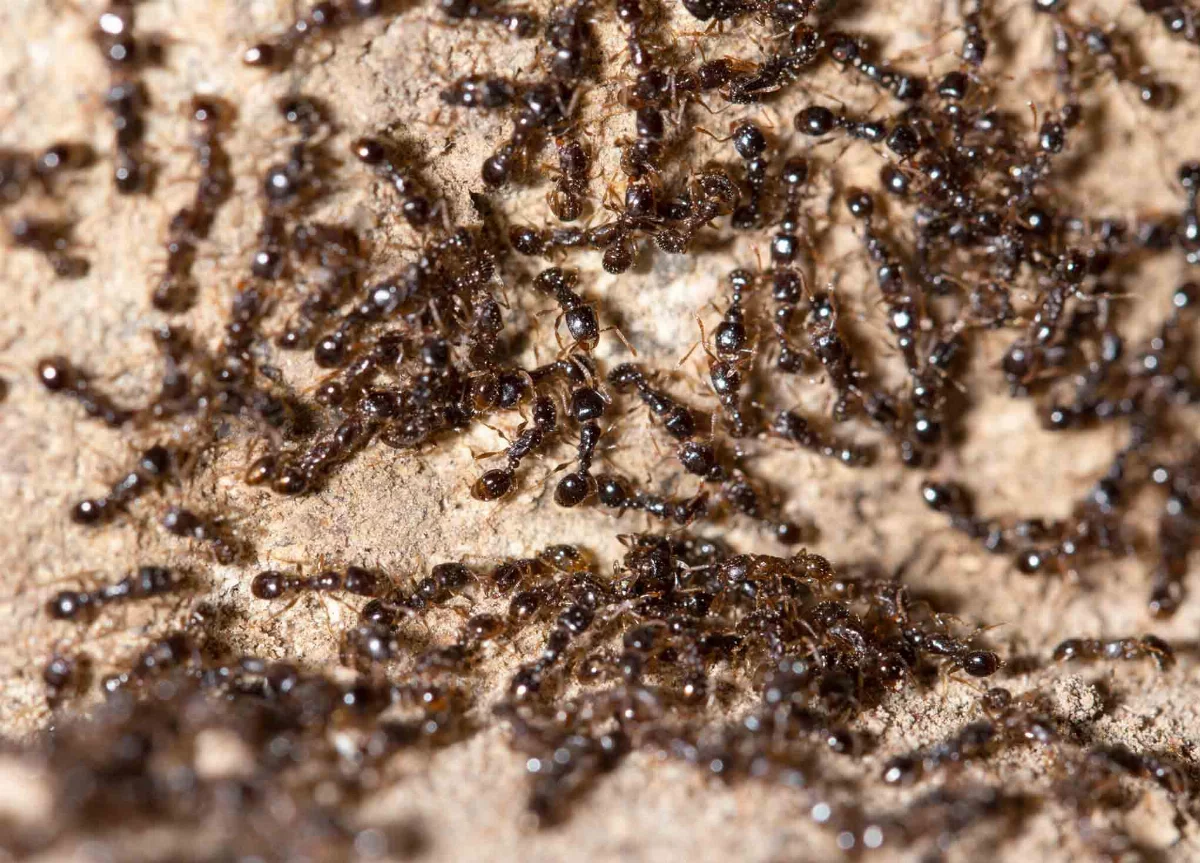
Yellowjackets
Yellowjackets are smaller wasps, with workers reaching about ½ inch long and queens growing up to ¾ inch. They have shiny black and bright yellow banded bodies, with strong mouthparts used to chew insects and sip nectar, fruit, and other sweet liquids. This wasp species is considered one of the most aggressive, capable of stinging multiple times and attacking in large numbers if their nest is disturbed.
Problems Caused By Wasps
If you regularly see large swarms of wasps, hear buzzing noises while indoors, notice small holes or damage near rooflines, or spot wasps flying around, chances are you have an infestation. Whether the nest is inside or outside, a wasp problem can quickly escalate, leading to health risks, property damage, and stress for home and business owners.
Here’s why you don’t want wasps to settle on your property:
- Painful Stings & Allergic Reactions: A sting from any wasp is painful, often causing immediate symptoms like redness, swelling, and sharp burning sensations. For individuals with bee or wasp allergies, a single sting can trigger severe reactions, including life-threatening anaphylaxis.
- Aggressive Behavior: While most wasps aren’t actively seeking people or animals to sting, they can become highly territorial and aggressive when they feel their nest is threatened. Wasps will defend their colonies fiercely, and some species, like yellowjackets, can sting multiple times and attack in large numbers.
- Structural Damage: Paper-like nests built by wasps like yellowjackets and hornets trap moisture, leading to the rot, warping, and staining of walls, attics, eaves, and other surfaces. While a single nest might not cause immediate damage, colonies often return to the same spot each year, leading to structural damage and expensive repairs.
- Disruption of Outdoor Activities: A wasp infestation can make patios, decks, gardens, and other outdoor areas feel unsafe and uncomfortable. The constant threat of wasps can discourage you, your family, guests, or customers from enjoying outdoor spaces and limit the use of your property.
Wasp FAQs
What is the best way to get rid of wasps?
Locating and safely removing the nest will ensure their complete removal. This typically involves using a targeted insecticide spray designed for wasps, usually applied at night when they’re less active.
If a nest is hanging under your deck, near an entrance, or inside a shed, it can become a serious hazard. Wasps are territorial and may sting multiple times when disturbed, even unintentionally. Professional removal ensures your safety and helps prevent painful encounters in high-traffic areas.
What do pest control companies use for wasps?
Professional pest control companies use a combination of professional-grade products and specialized tools to treat wasp infestations.
Technicians also use extension poles, ladders, or protective suits to access hard-to-reach areas like gutters, soffits, and rooflines. In some cases, traps or exclusion materials are used to prevent wasps from returning. Everything is chosen and applied based on the nest location, species of wasp, and level of activity.
Is an exterminator worth it for wasps?
Yes, an exterminator is often well worth it for wasps—especially if the nest is large, hidden, or in a spot that’s dangerous to access, like inside a wall or attic. Trying to tackle a wasp problem yourself can lead to painful stings and incomplete removal. A professional ensures the entire nest is treated and helps prevent the wasps from returning.
How much does wasp extermination cost?
Wasp extermination costs depend on the nest location, size, and how difficult it is to access. For example, a small exposed nest on a porch might be on the lower end, while removing multiple nests from an attic could be more.
Some companies, like ours, offer upfront pricing and clear communication to give you peace of mind.
How to permanently get rid of wasps?
To permanently get rid of wasps, you need to eliminate the nest, treat the area, and take steps to prevent them from returning. This includes sealing entry points around your home, removing outdoor food sources, and using preventative treatments in known problem areas.
Are wasps dangerous?
Yes, wasps can be dangerous, especially if someone is allergic to their stings. Even for those without allergies, multiple stings can cause pain, swelling, or more serious reactions.
Wasps are territorial and can become aggressive if their nest is threatened. Unknowingly disturbing a hidden nest while doing yard work could result in a swarm of stings and inflamed sores for days.
Learn More About Wasp Management
At Rest Easy, our highly trained wasp control experts understand the behavior, biology, and life cycles of wasp colonies. We know why wasps are attracted to your property, how to safely remove their nests, and the most effective strategies to prevent them from returning.
Here’s some additional information about wasps and Rest Easy’s professional services:
Causes
- Accessible Food Sources: Wasps are attracted to easy food sources, especially sugary foods like fruit, soft drinks, and desserts. Outdoor dining areas, picnic tables, and uncovered trash bins are prime feeding grounds, encouraging wasps to linger, scavenge, and build nests nearby.
- Sheltered Nesting Sites: Gaps in siding, attics, wall voids, eaves, and garden sheds offer wasps a quiet, undisturbed space to build colonies. These hidden areas protect from predators, heavy rain, strong winds, and other environmental threats, making them ideal for wasps that need a safe home.
- Nearby Water Supply: Like all living creatures, wasps need water to survive and help maintain the temperature inside their nests. Birdbaths, leaky garden hoses, pet water bowls, ponds, and puddles of standing water become convenient watering spots that help sustain their colony.
- Existing Nesting Patterns: If wasps have nested on your property in the past, chances are higher they’ll return. Old nest remnants and lingering pheromone trails can signal to new wasps that the area is a safe and successful settling spot.
Professional Treatment
- Inspection and Identification: The first step in Rest Easy’s wasp control is a thorough inspection of your property. Our trained professionals will carefully locate active nests and identify the species of wasp causing the problem. This identification helps us customize your treatment plan based on the species’ nesting habits, aggressiveness level, and biology.
- Safe Nest Removal: Using specialized equipment and protective gear, Rest Easy pest experts will safely remove any nests found during the inspection. Our team has experience handling all types of wasp nests, including paper-like hives, underground burrows, mud-tubes, and more.
- Targeted Treatment: After nest removal, our team applies professional-grade insecticides, dusts, and other targeted treatments to the area where the nest was located. This step kills any remaining wasps that return to the colony site and helps prevent re-infestation.
- Pre-Treatment for Large Colonies: In cases where the colony is large or aggressive, treatments may be applied before nest removal to reduce the risk of stings to our technicians or anyone else nearby during the process.
Prevention
While hiring a professional for wasp control is highly recommended, there are simple steps property owners can take to make their home or business less appealing to wasp colonies. These include:
- Seal Entry Points: Carefully inspect your property for gaps, cracks, or holes around doors, windows, soffits, and vents. If you find any vulnerabilities, seal them using caulk, weather stripping, or expandable foam.
- Remove Standing Water: Check for water sources around your property, including containers, broken sprinklers, clogged drains, birdbaths, and empty plant potters. Remove standing water, fix any leaks, and consider adding drainage to prevent future issues.
- Maintain Landscaping: Trim trees, shrubs, and bushes back from your building’s exterior, especially near eaves and overhangs where wasps like to nest. If you have fruit trees or gardens, regularly pick up fallen fruit, harvest ripe vegetables, and remove any rotting produce.
- Eliminate Food Sources: Keep outdoor eating areas clean and wipe up spills immediately, especially anything sweet like soda or fruit juices. Secure trash bins with tight-fitting lids and put pet food in sealed containers.

We Provide Personalized Plans That Actually Work
Trust Rest Easy for effective pest control plans that address your unique needs and deliver fast results. Our comprehensive pest solutions ensure your home or business remains protected from all pests, with plans specifically crafted to target common issues in your area.
General Pest Plan
Our exterminators target common household pests such as ants, cockroaches, and spiders. Routine treatments will keep your space free from infestations and ensure long-term protection.
Mosquito Plan
Effectively controlling mosquito populations around your property lets you enjoy your outdoor spaces to the fullest. Our mosquito plan targets mosquito breeding areas to reduce populations.
Termite Plan
We prevent and eliminate termite infestations. With thorough inspections and targeted treatments, we protect your property from the damaging effects of these pests.
Tick Plan
Our tick plan focuses on eliminating ticks and preventing their return. We address tick hotspots and reduce the risk of tick-borne diseases, keeping your yard safe and comfortable.
Your Pest
Our Problem
Pest Control Services
We offer custom pest control plans to address your unique needs and deliver effective results. Our comprehensive pest solutions ensure that your home or business remains protected from a variety of pests:
Ants
Bed Bug
Beetles
Boxelder bugs
Centipedes
Cockroaches
Crickets
Earwigs
Flies
Fleas
Millipedes
Midges
Mosquitoes
Pill Bugs
Snails
Spiders
Termites
Ticks
Thrips
Wildlife Defense
Rodent Defense
Vermin Defense
Book Your Wasp Exterminator in Raritan, NJ
Rest Easy
If you’re dealing with a wasp infestation, contact Rest Easy for safe and effective wasp management in Raritan, NJ. Our highly trained technicians will safely remove nests from your home or business and apply long-lasting treatments to prevent re-infestation.
Book your free property inspection today.