


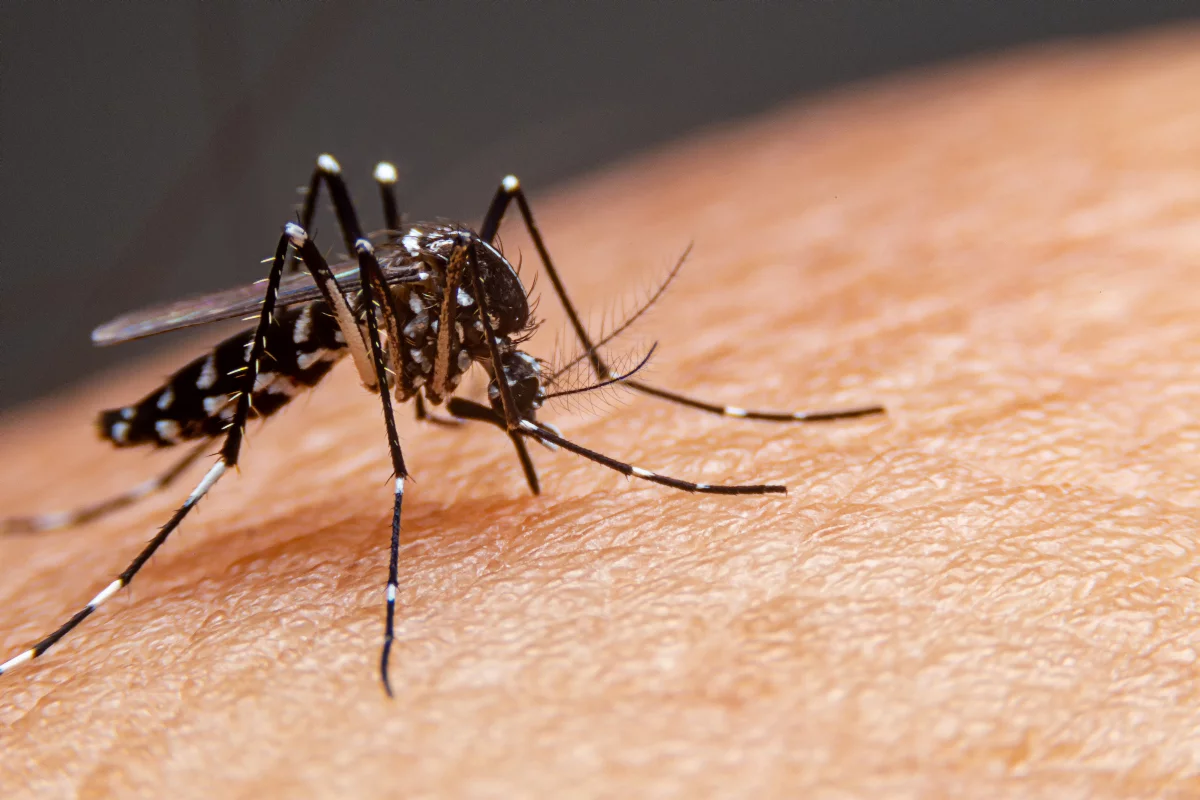
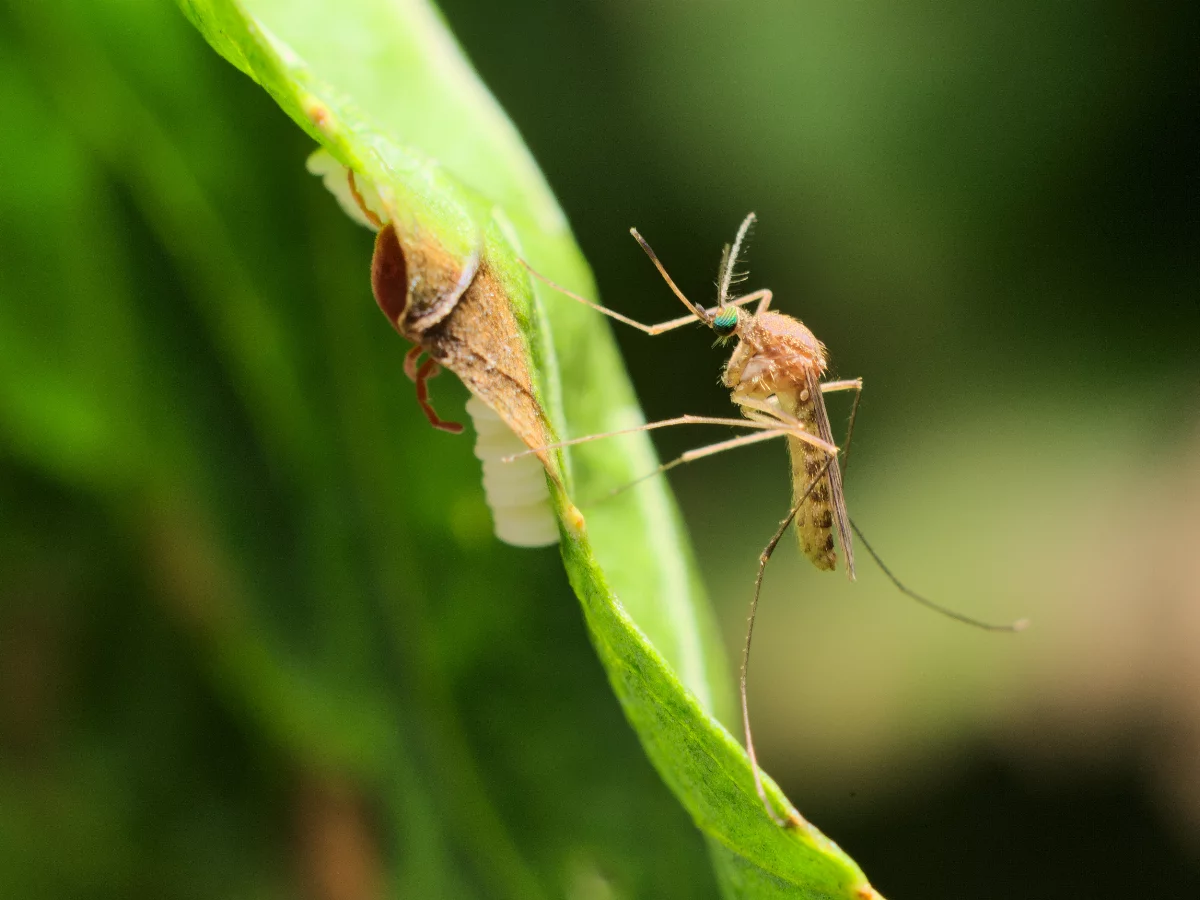
- Standing Water: Mosquitoes rely on stagnant water to breed. Common breeding grounds include puddles, clogged gutters, birdbaths, and open containers collecting rainwater. There are two primary categories of mosquitoes based on their breeding habits:
- Permanent Water Mosquitoes: These species lay their eggs directly on the surface of standing water, such as ponds, marshes, and swamps. The eggs hatch within a few days, leading to continuous mosquito presence.
- Floodwater Mosquitoes: These mosquitoes lay their eggs in moist soil or containers above the waterline. The eggs remain dormant until heavy rains or flooding occur, which submerge the eggs and trigger hatching. This adaptation allows them to exploit temporary water bodies formed after rainfall.
- Overgrown Vegetation: Mosquitoes are most active during the early morning and evening. During the day, they seek cool, shaded areas to rest and conserve energy. Overgrown landscaping and vegetation like tall grass, dense shrubs, and thick, unchecked foliage offer the perfect humid environment for them to hide.
- Lack of Proper Drainage: Poor drainage causes water to collect in low-lying areas, depressions, or along the edges of hardscapes and form stagnant pools. These pockets of water become prime breeding sites for floodwater mosquito species, offering the exact conditions larvae need to hatch and mature.
- Warm, Humid Climates: Regions with warm, humid conditions are more susceptible to frequent and severe mosquito infestations. If your property is located in an area with consistently high humidity and warm temperatures, you’re likely to experience more intense mosquito activity.
If you suspect a mosquito infestation on your property, don’t try to handle the problem on your own. DIY mosquito control methods like over-the-counter sprays, citronella candles, home remedies, and mosquito traps may offer temporary relief, but they rarely treat the root cause of the issue.
Professional mosquito exterminators like Rest Easy have access to specialized tools, treatments, and in-depth knowledge of mosquito behavior and life cycles, ensuring your property is protected from the dangers of mosquitoes long-term.