
Ticks
Our Tick Pest Control Guide in Raritan helps you identify ticks, understand the risks they pose, and provides prevention tips to protect your home and pets. Learn effective methods for tick removal and ways to reduce their presence in your yard. For severe infestations, professional tick control services are recommended.
Overview
Most Raritan tick species undergo three stages in their life cycle ― egg, larvae, adult ― and spend each of these stages on a different host.
They live in diverse environments, including nests, burrows, and dens of their host.
Soft ticks prefer to nest in animal burrows. Female ticks deposit a single batch of thousands of eggs in the host’s nest.
Some ticks require a blood meal to survive and are seen firmly attached to a human’s body. They are easily visible on a pet’s body.
Identification
A Raritan tick has a capitulum for a head, and an oval-shaped, and compressed body. Adult ticks and nymphs have 8 legs, whereas the larvae only have 6.
The scrotum, which is a whitish hardened plate, is found on the dorsal surface of hard ticks. It is also one of their distinguishing features. It covers one-third of a female tick’s body and the entire dorsal surface in males.
The mouthparts are composed of chelicerae and hypostome and are present on the head (capitulum). They are used to infiltrate a host’s body. Ticks secrete specialized substances during feeding, which help them to attach to a host firmly.
- Brown Dog Tick
It is one of the most abundant species of ticks on the planet. It infects a wide variety of hosts. The domestic dog is its most-loved host in the United States.
It spends its entire lifespan on the different sections of the dog’s body. The adults attach themselves to the toes and ear, whereas the nymphs and larvae occupy the hair on the back. Brown dog ticks are found in large numbers in outdoor environments during the entire year, and especially in summers. Most scientists believe that this species cannot survive in the intense cold. It has a characteristic red-brown color, which isn’t found in any other tick.
- American Dog Tick
Adult American dog ticks primarily infest dogs but also nest on other larger animals. The larvae and nymphs reside on wild rodents, such as rats. Newly hatched larvae are yellow and have distinct red spots around their eyes.
Larvae are similar in appearance to nymphs but have 8 legs instead of. Adults assume a slate-gray color when fully engorged. This is one of the species that is responsible for tick paralysis and carried the pathogenic organism that causes Rocky Mountain spotted fever.
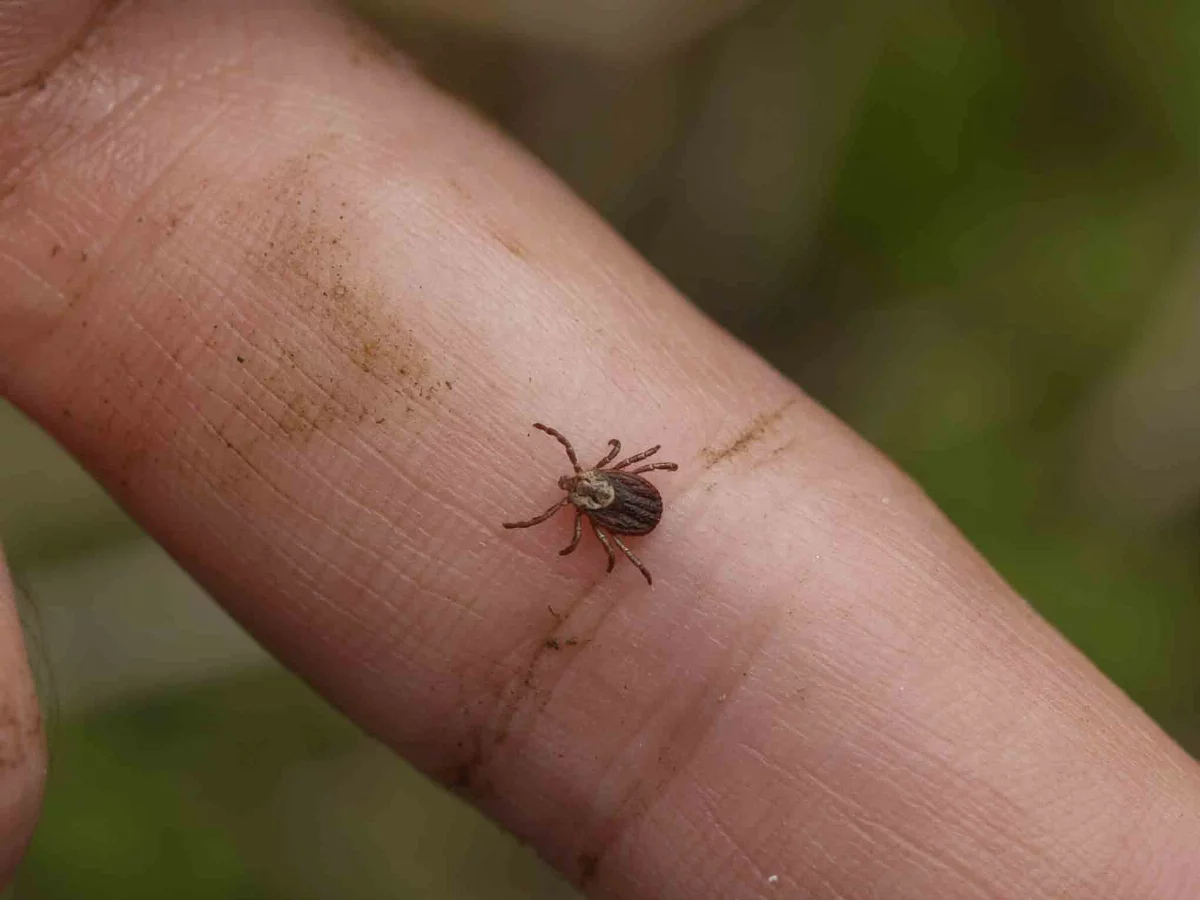
- Groundhog Tick
The nymphs and adults of this species are very much capable of attacking humans and are commonly found in places with groundhogs.
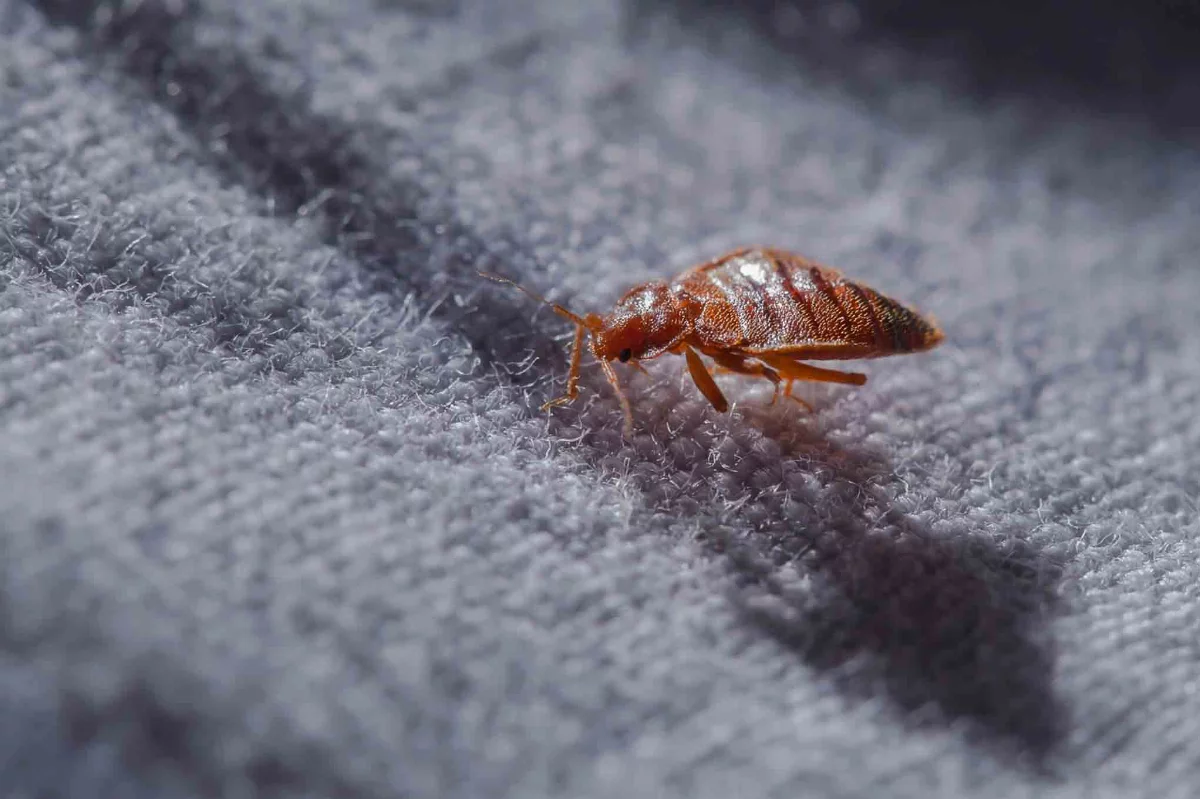
- Common Fowl Tick
Also known as the blue bug, the common fowl tick is commonly found in places swarming with poultry. It may cause fatalities to chickens, and transmit diseases in humans.
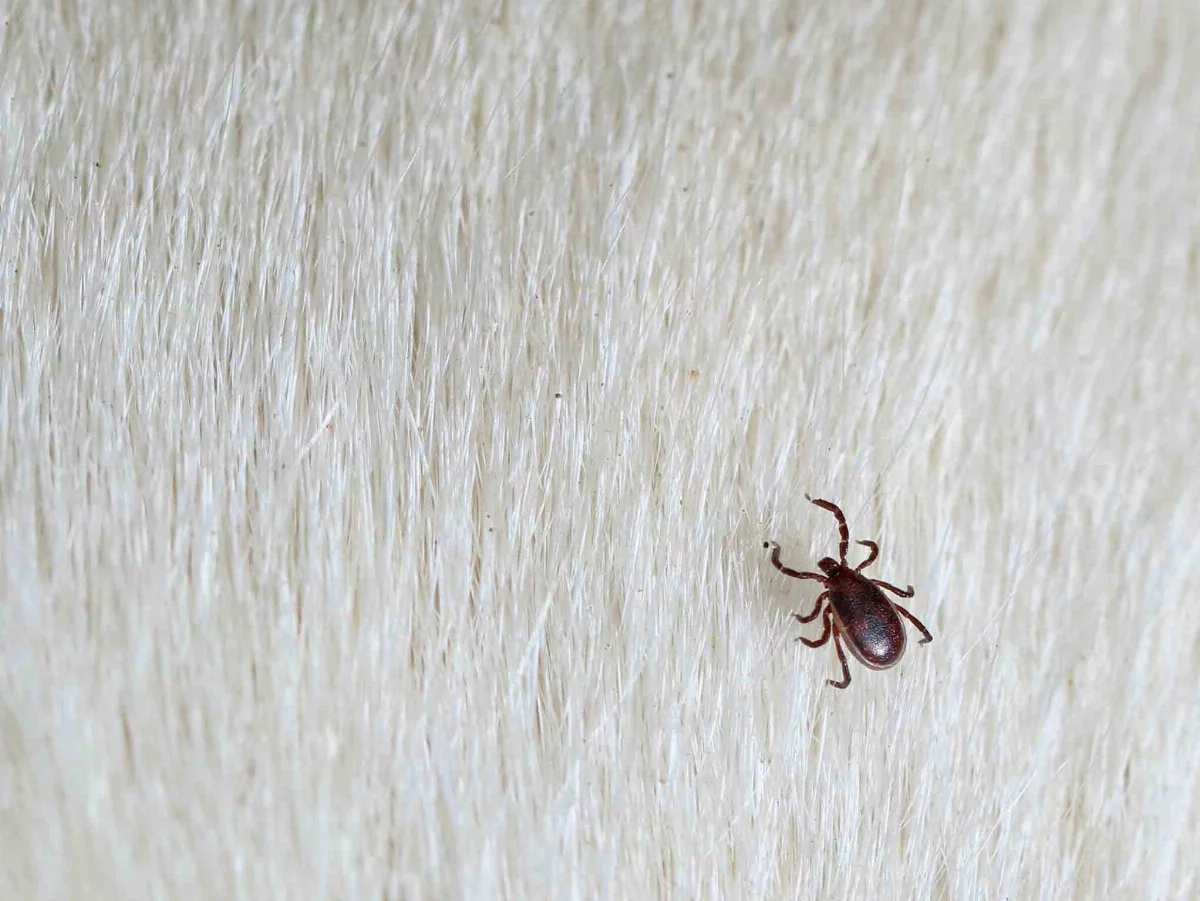
Brown Dog Tick
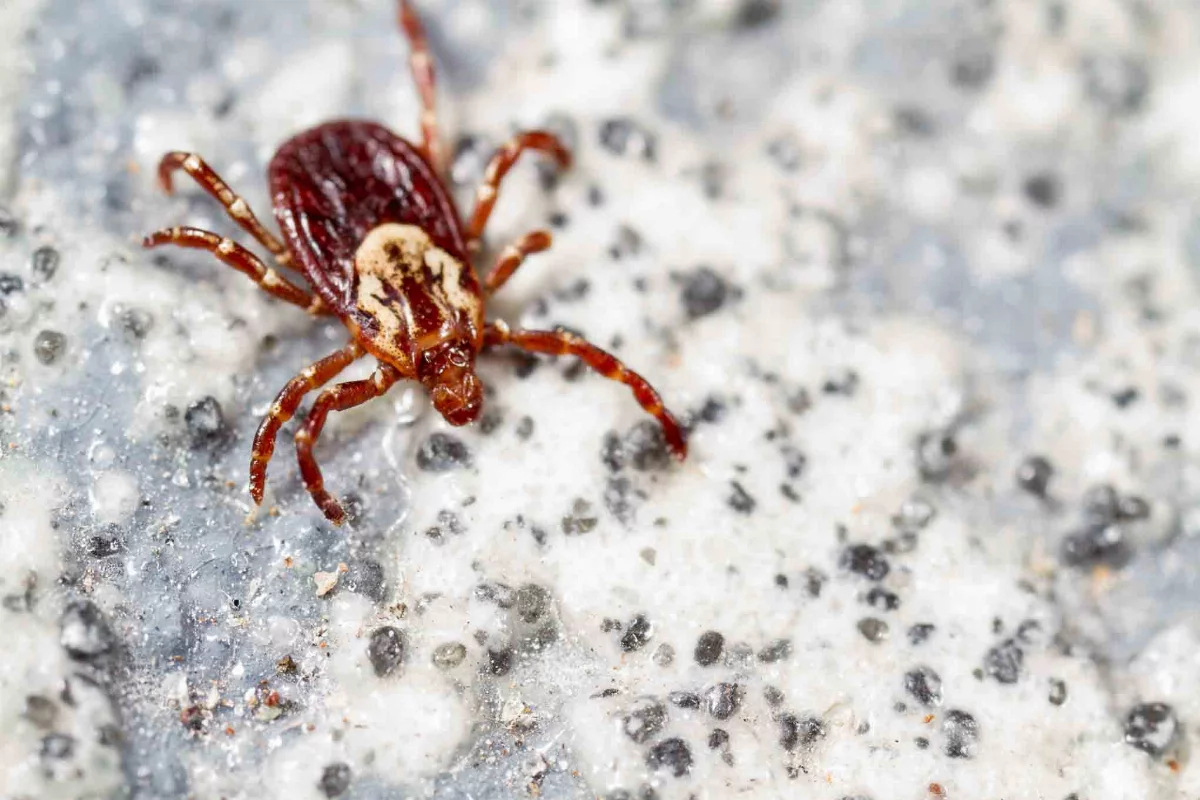
American Dog Tick
Groundhog Tick
Common Fowl Tick
Behavior
Soft ticks prefer to nest in animal burrows. Female ticks deposit a single batch of thousands of eggs in the host’s nest. Ticks, like most pests, are nocturnal, i.e., they hunt for hosts at night. Their stay on a host’s body is rather limited. Hard ticks might spend several days on a host’s body, feasting on its blood, while soft ticks detach themselves in a matter of days.
Hard ticks exhibit a unique eating behavior known as questing. They stretch themselves on a blade of grass and patiently wait for a host to pass by. They can’t hop on to a host.
Questing isn’t an effective method because it requires a lot of waiting on the tick’s part. However, it isn’t still a well-thought technique. Ticks have specialized structures to detect changes in carbon dioxide levels in the environment, which helps them to locate potential hosts when they are nearby.
They can also sense subtle movements, and have eyes. Some hard tick species don’t waste a lot of time questing. Once they find a host, they spend whatever life they have on it. And that is why they are known as single-host ticks in Raritan.
Habitat
The preferred habitat of a tick varies depending on its species. They live in diverse environments, including nests, burrows, and dens of their host. In dry climates, they are vulnerable to desiccation, and therefore require a humid environment to thrive.
In Raritan households, ticks are mostly found in tall mulch, grass, fenced areas, leaf litter, near the surface of plants, and around woodpiles where potential hosts are living. Larvae wait for hosts on the surface of the vegetation, whereas nymphs and adult ticks occupy higher grounds, such as top-most leaves on a shrub.
Life Cycle & Reproduction
- Egg
Most tick species undergo three stages in their life cycle ― egg, larvae, adult ― and spend each of these stages on a different host. Six-legged larvae emerge from the egg and kick start the life cycle by parasitizing their first host. The tick also gets infected with pathogenic organisms in the larval stage.
- Larva
After completing its growth on the primary host, the larva detaches itself and undergoes six to 8 molts to become a nymph. The nymph then seeks out its own host, on which it feeds itself, and once it is done, it also falls off and molts to an adult tick.
- Adult
The adult tick then infests the third and final host. After spending its allotted time on the third host, the female lays thousands of eggs into the leaf litter before dying. Depending on the species of the tick, the life cycle takes 1 to 3 years to complete.
Signs of Infestation
- Some ticks in Raritan require a blood meal to survive and are seen firmly attached to a human’s body. They are easily visible on a pet’s body.
- Ticks keep on changing locations on a host’s body but are mostly found in warm and moist regions, such as the scalp or groin. Once they are nested in, they bury their heads inside your skin and inflict painless bites.
- If you’re wary of a tick infestation, check your and your pet’s body, and look for any brown or black spots.
- If one of your family members develops an illness associated with a tick species, then your house is most probably infested with pests.
Threats & Damage
Some ticks in Raritan have sumptuous blood meals and can transmit diseases from one host to another. The most common diseases caused by ticks are:
- Lyme disease
- Typhus
- Relapsing fever
- Tularemia
- Tick paralysis
- Rickettsialpox
Prevention Tips
Several insecticide sprays are readily available on the market that can help neutralize ticks inside the household.
If you’ve recently been to places that are most likely a tick’s habitat, check your and your kid’s clothes carefully before returning to your residence.
Wearing long-sleeved shirts is also a precaution that needs to be taken to prevent ticks from latching on to you. Wearing an insect repellant while hiking on trails also helps.
Ticks hate dry environments, as they are liable to desiccation, and steer clear from short vegetation. Declutter your lawn, and keep it neat and clean. Unkempt lawns call for a tick invasion.
You can also spray your lawn or garden with pesticides to elude the lurching danger of ticks.
Finally, if you can’t handle your tick infestation and need an effective treatment, call Rest Easy Pest Control Raritan. We offer an affordable tick control services in Raritan.
Identify Your Pest Issue

We Provide Personalized Plans That Actually Work
Trust Rest Easy for effective pest control plans that address your unique needs and deliver fast results. Our comprehensive pest solutions ensure your home or business remains protected from all pests, with plans specifically crafted to target common issues in your area.
General Pest Plan
Our exterminators target common household pests such as ants, cockroaches, and spiders. Routine treatments will keep your space free from infestations and ensure long-term protection.
Mosquito Plan
Effectively controlling mosquito populations around your property lets you enjoy your outdoor spaces to the fullest. Our mosquito plan targets mosquito breeding areas to reduce populations.
Termite Plan
We prevent and eliminate termite infestations. With thorough inspections and targeted treatments, we protect your property from the damaging effects of these pests.
Tick Plan
Our tick plan focuses on eliminating ticks and preventing their return. We address tick hotspots and reduce the risk of tick-borne diseases, keeping your yard safe and comfortable.