
FAQs
Looking for answers about pest control? Rest Easy Pest Control has you covered. Our FAQ covers everything from our services and safety practices to prevention tips. If you need more information, feel free to reach out—we’re here to help with any questions you have.
General FAQs
What are the most common household pests?
The most common household pests include ants, cockroaches, rodents, spiders, bed bugs, and termites. Each pest requires specific control methods, which professional pest control services can provide through customized treatment plans.
How often should I schedule professional pest control treatments?
The frequency of pest control treatments depends on factors such as:
- Type of pests in your area
- Season and climate
- Property size and condition
- Severity of infestation
Generally, quarterly treatments are recommended for ongoing prevention, with additional services as needed for active infestations.
Are pest control treatments safe for children and pets?
Modern pest control treatments, when applied by professionals, are formulated to be safe for humans and pets. Technicians use targeted application methods and low-toxicity products. However, it’s important to follow post-treatment instructions, such as staying out of treated areas for a specified time.
What's the difference between prevention and extermination in pest control?
Prevention focuses on creating barriers and conditions that deter pests from entering or thriving in your property. Extermination involves eliminating existing pest populations. Effective pest management combines both approaches for long-term control.
How can I prevent pests from entering my home?
To prevent pest entry:
- Seal cracks and gaps in walls, foundations, and roofs
- Install door sweeps and window screens
- Keep food in airtight containers
- Maintain a clean environment
- Reduce moisture and fix leaks
- Trim vegetation away from the house
Professional pest control services can provide comprehensive prevention strategies tailored to your property.
What are signs of a hidden pest infestation?
Signs of hidden pest infestations include:
- Unusual odors
- Unexplained noises in walls or attics
- Droppings or urine stains
- Gnaw marks on wood or wires
- Damaged fabrics or papers
- Discarded insect wings or shed skins
If you notice these signs, contact a pest control professional for a thorough inspection.
How do seasonal changes affect pest activity?
Seasonal changes significantly impact pest behavior:
- Spring: Increased activity as pests emerge from winter dormancy
- Summer: Peak breeding and foraging for many species
- Fall: Pests seek shelter indoors as temperatures drop
- Winter: Some pests remain active indoors
Year-round pest control strategies adapt to these seasonal patterns for effective management.
What are the health risks associated with pest infestations?
Pest infestations can pose various health risks:
- Disease transmission (e.g., salmonella from rodents)
- Allergic reactions and asthma triggers
- Contamination of food and surfaces
- Bites or stings causing pain or allergic responses
- Stress and anxiety from living with pests
Professional pest control helps mitigate these health concerns through effective pest management.
How do pest control companies determine the best treatment plan?
Pest control professionals develop treatment plans based on:
- Type and extent of infestation
- Property characteristics and layout
- Environmental factors
- Client preferences and concerns
- Local regulations and best practices
This tailored approach ensures the most effective and appropriate pest control solutions.
What are integrated pest management (IPM) techniques?
Integrated Pest Management (IPM) is a comprehensive approach that includes:
- Regular monitoring and inspection
- Identification of pest species and infestation levels
- Implementation of prevention strategies
- Use of biological controls when possible
- Targeted use of least-toxic pesticides when necessary
- Ongoing evaluation and adjustment of control methods
IPM provides effective, environmentally responsible pest control solutions.
How long does it typically take to see results from pest control treatments?
The timeline for pest control results varies depending on the pest type and infestation severity. Some treatments show immediate effects, while others may take several days or weeks. Persistent infestations might require multiple treatments. Professional pest control services provide realistic timelines and follow-up inspections to ensure effectiveness.
Are there eco-friendly pest control options available?
Yes, many eco-friendly pest control options exist, including:
- Natural predators and biological controls
- Plant-based repellents and essential oils
- Mechanical traps and exclusion methods
- Heat treatments for certain pests
- Diatomaceous earth and other non-toxic substances
Professional pest control services can recommend environmentally conscious solutions tailored to your needs.
How can businesses ensure compliance with health regulations regarding pest control?
Businesses can ensure compliance by:
- Implementing a comprehensive pest management program
- Maintaining detailed pest control records
- Scheduling regular professional inspections and treatments
- Training staff on pest prevention practices
- Using approved pest control methods and products
- Staying updated on local and industry-specific regulations
Professional pest control services specializing in commercial properties can help maintain compliance.
What should I do if I suspect a pest infestation in my rental property?
If you suspect a pest infestation in a rental property:
- Document the signs of infestation
- Notify your landlord or property manager immediately in writing
- Request a professional pest inspection
- Follow any preparation instructions for pest control treatments
- Cooperate with pest control professionals during treatment
- Keep records of all communications and actions taken
How do pest control methods differ for commercial versus residential properties?
Pest control for commercial properties often involves:
- More frequent inspections and treatments
- Stricter adherence to health and safety regulations
- Use of commercial-grade products and equipment
- Customized plans for specific industries (e.g., restaurants, healthcare)
- Employee training on pest prevention
What are the latest innovations in pest control technology?
Recent pest control innovations include:
- Smart traps with remote monitoring capabilities
- Pheromone-based attractants for targeted control
- Drone technology for difficult-to-reach areas
- Eco-friendly, plant-based pesticides
- AI and machine learning for pest identification and prediction
Professional pest control services stay updated on these advancements for more effective treatments.
How can I pest-proof my home during renovations or construction?
To pest-proof during renovations:
- Seal all entry points as work progresses
- Store building materials properly to avoid attracting pests
- Maintain a clean work site, removing debris regularly
- Be cautious of pests in reclaimed or second-hand materials
- Consider professional pest inspections before, during, and after renovations
Consulting with a pest control expert can help integrate pest prevention into your renovation plans.
What role does proper waste management play in pest control?
Proper waste management is crucial for pest control:
- Reduces food sources for pests
- Eliminates potential harborage areas
- Prevents attraction of larger pests like rodents
- Helps maintain overall property hygiene
Professional pest control services often include waste management recommendations in their treatment plans.
How do climate change and urbanization affect pest populations and control strategies?
Climate change and urbanization impact pest control by:
- Altering pest distributions and life cycles
- Creating new urban habitats for pests
- Increasing the frequency of pest-related issues
- Necessitating adaptations in control strategies
Pest control professionals continually update their approaches to address these evolving challenges.
What should I consider when choosing a pest control company?
When selecting a pest control company, consider:
- Licensing and certifications
- Experience and expertise in specific pest issues
- Use of integrated pest management (IPM) techniques
- Quality of customer service and responsiveness
- Guarantees and follow-up services offered
- Eco-friendly and safe treatment options
- Customer reviews and reputation
Choosing a reputable, professional pest control service ensures effective and responsible pest management.
How can I prevent pests when moving into a new home or office space?
Preventing pests when moving into a new space involves several key steps:
- Inspect thoroughly: Check for signs of existing infestations before moving in.
- Clean deeply: Vacuum and sanitize all areas, including hidden spots.
- Seal entry points: Close off cracks, gaps, and holes in walls, floors, and foundations.
- Install door sweeps and window screens: Prevent pests from entering through openings.
- Manage moisture: Fix any leaks and ensure proper ventilation.
- Store items properly: Use airtight containers for food and keep cardboard boxes off the floor.
- Schedule a professional inspection: Have a pest control expert assess and treat the space preventively.
- Maintain cleanliness: Establish regular cleaning routines to deter pests.
- Be cautious with second-hand items: Inspect and clean used furniture before bringing it in.
- Educate occupants: Ensure everyone understands pest prevention practices.
Taking these proactive measures can significantly reduce the risk of pest problems in your new space.
What are the most environmentally friendly pest control methods for large commercial properties?
Environmentally friendly pest control for large commercial properties includes: Integrated Pest Management (IPM): A holistic approach combining prevention, monitoring, and targeted treatments.
- Exclusion techniques: Sealing entry points and modifying structures to prevent pest access.
- Biological controls: Using natural predators or parasites to manage pest populations.
- Pheromone traps: Attracting and trapping pests without harmful chemicals.
- Heat treatments: Using high temperatures to eliminate pests in specific areas.
- Regular inspections: Identifying and addressing issues before they become severe.
- Proper waste management: Implementing strategies to reduce pest attractants.
- Employee education: Training staff on pest prevention and early detection.
- Habitat modification: Altering landscapes to discourage pest presence.
- Smart technology: Using IoT devices for real-time monitoring and targeted treatments.
- Eco-friendly repellents: Utilizing natural deterrents in landscaping and building perimeters.
Professional pest control services specializing in green methods can develop customized, sustainable plans for large commercial properties, ensuring effective pest management while minimizing environmental impact.
Cockroaches FAQs
What are the most common types of cockroaches found in homes?
The most common household cockroach species include German cockroaches, American cockroaches, Oriental cockroaches, and Brown-banded cockroaches. Each species has distinct characteristics and requires specific cockroach control methods.
How can I identify a cockroach infestation in my home?
Signs of cockroach infestation include visible roaches, especially at night, cockroach droppings (resembling coffee grounds or pepper), egg cases (oothecae), a musty odor, and shed skins. Regular pest inspections can help with early cockroach detection.
Are cockroaches dangerous to human health?
Yes, cockroaches can pose significant health risks. They can trigger asthma and allergies, especially in children. Cockroaches also carry and spread various pathogens that cause diseases like salmonella and E. coli. Professional cockroach extermination is crucial for maintaining a healthy home environment.
How do cockroaches enter homes?
Cockroaches can enter homes through small cracks and crevices in walls, floors, and foundations. They also hitchhike on boxes, grocery bags, and secondhand appliances. Effective cockroach prevention involves sealing entry points and being cautious about bringing in outside items.
What attracts cockroaches to my house?
Cockroaches are attracted to food, water, and shelter. Common attractants include food crumbs, dirty dishes, pet food, leaky pipes, and clutter. Implementing proper sanitation and moisture control is key to cockroach prevention.
How fast do cockroaches reproduce?
Cockroaches reproduce rapidly. A female German cockroach can produce up to 400 offspring in her lifetime. This rapid cockroach life cycle emphasizes the importance of early intervention and professional pest control services.
What is the most effective cockroach treatment?
The most effective cockroach treatment typically involves an integrated pest management (IPM) approach. This includes a combination of baits, insecticide treatments, and habitat modification. Professional cockroach control services can provide tailored solutions for your specific infestation.
Can I get rid of cockroaches on my own?
While DIY cockroach control methods exist, they’re often less effective than professional treatments. Over-the-counter products may provide temporary relief but rarely eliminate the entire infestation. Professional cockroach exterminators have access to more potent solutions and expertise for complete eradication.
How long does it take to get rid of a cockroach infestation?
The timeline for cockroach elimination varies depending on the severity of the infestation and the treatment method used. With professional cockroach treatment, you may see significant reduction within a few days, but complete eradication can take 2-8 weeks, including follow-up treatments.
Are cockroaches resistant to pesticides?
Some cockroach species, particularly German cockroaches, have developed resistance to certain pesticides. This pesticide resistance in cockroaches underscores the need for professional pest control services that use a variety of treatment methods and stay updated on the most effective products.
How can I prevent cockroaches from returning after treatment?
To prevent cockroach re-infestation, maintain good sanitation, seal entry points, reduce clutter, fix leaks, and store food in airtight containers. Regular pest control maintenance services can also help keep cockroaches at bay.
Do cockroaches bite humans?
While rare, cockroaches can bite humans. However, they’re more likely to cause health issues through contamination of food and surfaces. If you’re concerned about cockroach bites or other pest-related health issues, consult a pest control professional.
Can cockroaches survive without food?
Cockroaches are incredibly resilient and can survive for up to a month without food. However, they can only live about a week without water. This resilience makes professional cockroach extermination crucial for complete eradication.
What's the difference between cockroaches and water bugs?
While often used interchangeably, “water bug” typically refers to the Oriental cockroach or large American cockroach. True water bugs are a different species entirely. Proper pest identification is crucial for effective treatment, which is why professional pest control services are recommended.
How do cockroaches impact property value?
Cockroach infestations can significantly decrease property value. They can damage books, papers, and electronics, leave stains, and create unsanitary conditions. Regular pest control and prompt cockroach treatment are essential for maintaining your property’s value and appeal.
Rodents FAQs
What are the most common signs of rodent infestation in homes and businesses?
Common signs of rodent infestation include droppings, gnaw marks on wood or wires, greasy rub marks along walls, unusual noises in walls or ceilings, and sightings of live or dead rodents. If you notice these signs, contact a professional rodent control service immediately.
How do rodents enter buildings, and how can I prevent them?
Rodents can enter through small openings as tiny as a quarter-inch. To prevent rodent entry, seal all gaps in foundations, walls, and roofs, install door sweeps, and cover vents with metal mesh. A professional rodent exclusion service can identify and secure potential entry points effectively.
What health risks do rodents pose to humans and pets?
Rodents can transmit various diseases through their droppings, urine, and saliva, including hantavirus, leptospirosis, and salmonellosis. They may also trigger allergies and asthma. Professional rodent control is crucial for maintaining a healthy living or working environment.
How quickly can a rodent infestation spread in a building?
Rodent infestations can spread rapidly due to their fast reproduction rates. A female mouse can have up to 10 litters per year, with each litter containing 5-6 pups. This rapid growth emphasizes the importance of early detection and professional rodent management.
What are the most effective rodent control methods for residential properties?
Effective residential rodent control methods include exclusion techniques, strategic trap placement, and targeted baiting programs. A comprehensive approach combining these methods, implemented by a professional rodent control service, yields the best results for long-term rodent management.
How can businesses prevent rodent infestations in commercial spaces?
Businesses can prevent rodent infestations by implementing proper waste management, sealing entry points, maintaining a clean environment, storing food in rodent-proof containers, and scheduling regular professional rodent inspections and treatments.
Are there eco-friendly options for rodent control?
Yes, eco-friendly rodent control options include exclusion methods, mechanical traps, and natural repellents. These methods can be effective when used as part of an integrated pest management approach designed by a professional rodent control service.
How long does professional rodent extermination typically take?
The duration of professional rodent extermination varies depending on the infestation’s severity and the building’s size. Initial control may take 1-3 weeks, while complete eradication can take 1-3 months. Ongoing prevention is recommended to avoid future infestations. A professional rodent control service can provide a customized timeline for your specific situation.
Termites FAQs
What are the signs of a termite infestation in my home?
Common signs of termite infestation include:
- Mud tubes on exterior walls
- Hollow-sounding wood when tapped
- Discarded wings near windows or doors
- Visible damage to wood structures
- Bubbling or peeling paint
- Frass (termite droppings) near wooden areas
Early detection through regular termite inspections is crucial for preventing extensive damage.
How do termites enter buildings, and what attracts them?
Termites typically enter buildings through:
- Cracks in foundation
- Gaps around pipes and wires
- Wood-to-ground contact
They’re attracted to:
- Moisture-damaged wood
- Cellulose-based materials
- Warm, humid environments
Effective termite prevention involves eliminating these entry points and attractants.
What's the difference between drywood and subterranean termites?
Key differences include:
- Habitat: Drywood termites live in wood, while subterranean termites nest in soil
- Moisture needs: Subterranean termites require more moisture than drywood termites
- Colony size: Subterranean colonies are typically larger
- Damage patterns: Drywood termites create smoother galleries in wood
Identifying the termite species is crucial for implementing the right termite control strategy.
How much damage can termites cause, and how quickly?
Termite damage can be extensive:
- A large colony can consume 1 pound of wood per day
- Visible damage may take 3-8 years to appear
- Annual cost of termite damage in the US exceeds $5 billion
Regular termite inspections and early intervention are essential to prevent costly structural damage.
What are the most effective termite treatment methods?
Effective termite treatments include:
- Liquid treatments (barrier method)
- Baiting systems
- Fumigation (for drywood termites)
- Wood treatments
- Heat treatments
Professional termite control services can determine the best method based on infestation type and severity.
How long does termite treatment last, and is retreatment necessary?
Treatment longevity varies:
- Liquid treatments: 5-10 years
- Baiting systems: Ongoing monitoring required
- Fumigation: One-time treatment, but reinfestation possible
Regular termite inspections are recommended to detect new activity and determine if retreatment is necessary.
Can I treat a termite infestation myself, or should I hire a professional?
While DIY treatments exist, professional termite control is recommended because:
- Experts can accurately identify termite species
- They have access to more effective treatments
- Professionals understand termite behavior and biology
- They can provide warranties and ongoing protection
Professional termite exterminators offer comprehensive solutions for long-term termite management.
What are the environmental impacts of termite control methods?
Environmental considerations in termite control include:
- Chemical treatments: Potential soil and water contamination
- Baiting systems: Lower environmental impact
- Fumigation: Temporary air quality concerns
Modern termite control methods aim to balance effectiveness with environmental responsibility.
How can I prevent termites from infesting my property?
Termite prevention strategies include:
- Reducing wood-to-ground contact
- Fixing moisture problems and leaks
- Maintaining proper ventilation in crawl spaces
- Removing dead trees and stumps near buildings
- Regular professional termite inspections
Implementing these termite prevention measures can significantly reduce infestation risks.
What's the role of termite inspections in real estate transactions?
Termite inspections in real estate are crucial:
- Often required for mortgage approval
- Identify existing or potential termite problems
- Can affect property value and sale negotiations
- Provide peace of mind for buyers
How do termites impact agriculture and forestry?
Termites affect agriculture and forestry by:
- Damaging crops and trees
- Altering soil composition
- Contributing to nutrient cycling
- Sometimes benefiting soil health through tunneling
Understanding termite ecology is important for managing their impact on agricultural and forest ecosystems.
What are the latest innovations in termite detection technology?
Recent advancements in termite detection include:
- Acoustic emission devices
- Infrared cameras
- Microwave technology
- Trained termite detection dogs
- DNA analysis for species identification
These innovative termite detection methods enhance the accuracy and efficiency of inspections.
How do climate change and urbanization affect termite populations?
Climate change and urbanization impact termites by:
- Altering their geographical distribution
- Extending activity seasons in some regions
- Creating new habitats in urban environments
- Potentially increasing wood consumption rates
Adapting termite control strategies to these changing patterns is crucial for effective management.
What are the health risks associated with termite infestations?
While termites don’t directly threaten human health, infestations can lead to:
- Increased indoor humidity and mold growth
- Structural instability in severe cases
- Stress and anxiety for property owners
Prompt termite control helps mitigate these indirect health concerns.
How do termite resistance and wood treatments work in construction?
Termite-resistant construction methods include:
- Pressure-treated lumber
- Naturally resistant wood species
- Physical barriers (e.g., steel mesh)
- Chemical soil treatments
Incorporating these termite prevention techniques in construction can provide long-term protection against infestations.
How do termites communicate within their colonies?
Termites use a sophisticated communication system that involves chemical, tactile, and vibrational signals. Pheromones play a crucial role in coordinating colony activities, marking trails, and triggering specific behaviors. Termites also use vibrations to alert the colony of danger or to signal the location of food sources. This complex communication network allows termite colonies to function efficiently and respond quickly to environmental changes.
What role do termite queens play in colony growth and expansion?
The termite queen is the cornerstone of the colony. She can live for decades and is capable of laying thousands of eggs daily. As the colony matures, the queen’s egg-laying capacity increases, leading to rapid population growth. In some species, the queen can produce supplementary reproductives to help with colony expansion. Understanding the queen’s role is crucial for effective termite control strategies, as eliminating the queen is often key to eradicating the entire colony.
How do termites affect biodiversity and ecosystem health?
Termites play a vital role in ecosystem health and biodiversity:
- They break down dead plant material, recycling nutrients back into the soil
- Their mounds create unique microhabitats for other organisms
- They improve soil structure and water retention through their tunneling activities
- Some species have symbiotic relationships with fungi, contributing to forest ecology
While termites can be destructive in human environments, their ecological importance is significant in natural settings.
What are the economic implications of termite damage on a global scale?
The global economic impact of termite damage is staggering. Annually, termites cause billions of dollars in damage to structures, crops, and forests worldwide. In the United States alone, termite control and damage repair costs exceed $5 billion yearly. This economic burden extends beyond direct damage, including costs for prevention, inspection, and treatment. The termite control industry itself is a significant economic sector, employing thousands and driving research and innovation in pest management technologies.
How do termite control methods differ in commercial versus residential settings?
Termite control approaches vary between commercial and residential settings due to differences in scale, structure types, and regulatory requirements. Commercial termite control often involves more extensive monitoring systems, larger-scale treatments, and stricter documentation for compliance purposes. Residential treatments may focus more on localized applications and homeowner education. Both settings benefit from integrated pest management strategies, but commercial properties may require more frequent inspections and specialized treatment plans tailored to their unique structural and operational needs.
Wildlife FAQs
What are the most common wildlife pests in residential areas?
Common wildlife pests in residential areas include raccoons, squirrels, opossums, bats, skunks, and various bird species. These animals often seek food, water, and shelter in human habitats, leading to potential conflicts and property damage.
How can I prevent wildlife from entering my home?
To prevent wildlife intrusions:
- Seal all potential entry points around your home
- Secure garbage cans with tight-fitting lids
- Remove outdoor food sources, including pet food
- Trim tree branches away from your roof
- Install chimney caps and cover vents with sturdy mesh
Regular wildlife inspections by professionals can help identify and address potential entry points.
What health risks are associated with wildlife infestations?
Wildlife infestations can pose several health risks:
- Transmission of diseases like rabies, leptospirosis, and hantavirus
- Spread of parasites such as ticks and fleas
- Contamination of living spaces with droppings and urine
- Potential for physical injuries from bites or scratches
Professional wildlife removal and sanitation services are crucial for mitigating these health concerns.
Is it legal to remove wildlife from my property myself?
Wildlife removal regulations vary by location and species. Many animals are protected by state or federal laws, making DIY removal illegal or restricted. It’s best to consult with professional wildlife control services who understand local regulations and can implement humane, legal removal methods.
How do wildlife control methods differ from traditional pest control?
Wildlife control often involves:
- Humane trapping and relocation techniques
- Exclusion methods to prevent re-entry
- Habitat modification to discourage wildlife presence
- Use of deterrents rather than pesticides
- Compliance with wildlife protection laws
Professional wildlife control services specialize in these unique approaches, ensuring effective and ethical management.
What are some eco-friendly methods for deterring wildlife from gardens?
Eco-friendly wildlife deterrent methods include:
- Installing motion-activated sprinklers
- Using natural repellents like predator urine
- Planting strong-smelling herbs like mint or lavender
- Erecting physical barriers like fences or netting
- Employing scare tactics such as reflective tape or decoy predators
These methods help maintain a balance between wildlife conservation and property protection.
How do seasonal changes affect wildlife behavior and control strategies?
Wildlife behavior changes significantly with seasons:
- Spring: Increased activity due to breeding and foraging
- Summer: Peak activity and potential for human-wildlife conflicts
- Fall: Heightened foraging as animals prepare for winter
- Winter: Some species seek shelter in buildings
Wildlife control strategies must adapt to these seasonal patterns, with preventive measures often being most effective in late winter or early spring.
What should I do if I encounter a potentially rabid animal on my property?
If you encounter a potentially rabid animal:
- Keep your distance and do not attempt to approach or capture it
- Keep pets and children indoors
- Contact local animal control or a professional wildlife service immediately
- If bitten or scratched, seek medical attention right away
Remember, rabies is a serious concern, and professional handling is crucial for safety.
How can businesses protect their properties from wildlife damage?
Businesses can protect against wildlife damage by:
- Implementing a comprehensive wildlife management plan
- Regularly inspecting and maintaining building exteriors
- Using wildlife-proof waste management systems
- Installing deterrents like motion-sensitive lighting
- Educating employees on wildlife prevention practices
Professional wildlife control services can provide customized solutions for commercial properties.
What are the latest innovations in humane wildlife control technology?
Recent advancements in humane wildlife control include:
- Advanced exclusion materials that prevent entry without harm
- Non-toxic repellents using natural compounds
- Ultrasonic devices that deter animals without affecting humans
- Smart traps that alert professionals when an animal is caught
- DNA analysis for species-specific management strategies
These innovations focus on effective control while prioritizing animal welfare.
How do urban development and habitat loss impact wildlife behavior in residential areas?
Urban development and habitat loss significantly affect wildlife behavior. As natural habitats shrink, animals adapt to urban environments, leading to increased human-wildlife interactions. This can result in more frequent sightings, property damage, and potential conflicts. Wildlife control strategies must evolve to address these changing patterns while promoting coexistence where possible.
What role do wildlife corridors play in managing urban wildlife populations?
Wildlife corridors are vital in urban wildlife management. They provide safe passages for animals to move between fragmented habitats, reducing the likelihood of wildlife entering residential areas. By supporting these corridors, communities can help maintain ecological balance and minimize human-wildlife conflicts, complementing other wildlife control efforts.
How can homeowners differentiate between nuisance wildlife and those that are beneficial to the ecosystem?
While many wild animals can be perceived as nuisances, many play crucial roles in the ecosystem. Bats and owls, for example, provide natural pest control. Opossums eat ticks and other pests. Understanding the ecological roles of different species helps in making informed decisions about wildlife management. Professional wildlife services can provide education on balancing ecosystem benefits with property protection.
How do wildlife control practices differ in rural versus urban settings?
Wildlife control practices vary between rural and urban settings:
Rural:
- Larger scale management often involving crop or livestock protection
- Greater focus on preserving natural habitats and behaviors
- More emphasis on hunting as a control method (where legal)
Urban
- Emphasis on exclusion and deterrent methods
- Greater concern for human-wildlife conflict resolution
- More stringent regulations on control methods
Both settings benefit from professional wildlife management tailored to their specific challenges.
Bed Bugs FAQs
What do bed bugs look like?
Adult bed bugs are small, oval-shaped insects about 4-5mm long. They have flat bodies, are reddish-brown in color, and become swollen and more reddish after feeding on blood. Bed bug identification is crucial for early detection and treatment.
How can I detect bed bugs in my home?
Look for signs of bed bug infestation such as small bloodstains on sheets, dark spots (bed bug excrement) on mattresses or walls, shed bed bug skins, and a sweet, musty odor. Regular bed bug inspections are key to early detection.
What are common bed bug hiding spots?
Bed bugs often hide in mattress seams, bed frames, headboards, behind wallpaper, and in cracks of furniture. They prefer dark, undisturbed areas close to their human hosts. Thorough bed bug inspection of these areas is essential for effective control.
How do bed bugs spread?
Bed bugs spread primarily through human movement. They can hitchhike on luggage, clothing, or used furniture. Bed bug prevention involves careful inspection of second-hand items and being cautious in high-traffic areas like hotels and public transportation.
Are bed bugs dangerous to human health?
While bed bugs don’t transmit diseases, their bites can cause itchy welts and allergic reactions in some people. Excessive scratching may lead to secondary infections. Prompt bed bug treatment is important to minimize health risks and discomfort.
What are effective bed bug treatment options?
Effective bed bug treatments include heat treatment, chemical insecticides, and integrated pest management approaches. Professional bed bug extermination services often combine multiple methods for the best results.
Can I treat a bed bug infestation myself?
While DIY bed bug control methods exist, they’re often less effective than professional treatments. Over-the-counter sprays may kill visible bugs but won’t eliminate hidden infestations. Professional bed bug exterminators have access to more potent and comprehensive solutions.
How long does bed bug treatment take?
The duration of bed bug treatment varies depending on the infestation severity and method used. Some treatments, like heat treatment, can be completed in a day, while others may require multiple visits over several weeks. Follow-up inspections are crucial for confirming bed bug elimination.
How can I prevent bed bugs when traveling?
To prevent bed bugs while traveling, inspect hotel rooms thoroughly, keep luggage elevated and away from beds, and wash all clothing in hot water upon returning home. These bed bug prevention measures can significantly reduce the risk of bringing bed bugs home.
What temperature kills bed bugs?
Bed bugs die when exposed to temperatures above 113°F (45°C). Professional bed bug heat treatment typically raises room temperatures to 135-145°F (57-62°C) for several hours to ensure complete eradication of all life stages.
How fast do bed bugs reproduce?
Female bed bugs can lay 1-7 eggs per day and up to 500 eggs in a lifetime. Bed bug eggs hatch in about 10 days, and nymphs can reach adulthood in as little as 21 days. This rapid bed bug life cycle emphasizes the importance of early detection and treatment.
Can bed bugs live in clothes?
Yes, bed bugs can hide in clothes, especially those left on the floor or in closets near infested areas. Washing clothes in hot water (at least 130°F/54°C) and drying on high heat can kill bed bugs and their eggs as part of your bed bug control strategy.
What's the difference between bed bugs and dust mites?
While both are tiny, bed bugs are visible to the naked eye and feed on blood, whereas dust mites are microscopic and feed on dead skin cells. Bed bug bites cause visible welts, unlike dust mites which primarily cause allergic reactions. Proper identification is crucial for effective treatment.
How long can bed bugs live without feeding?
Bed bugs can survive for several months without a blood meal under optimal conditions. Adult bed bugs may live up to a year without feeding. This resilience makes professional bed bug extermination crucial for complete eradication.
Are there any natural remedies for bed bugs?
While some natural remedies like diatomaceous earth or essential oils may help deter bed bugs, they’re generally not effective for eliminating an established infestation. Professional bed bug treatment methods are more reliable for complete eradication.
Mice FAQs
How can I tell if I have a mouse infestation in my home?
Signs of mouse infestation include droppings, gnaw marks, strange odors, and scratching sounds in walls or ceilings. If you notice these signs, contact a professional mouse control service immediately.
Are house mice dangerous to human health?
Yes, house mice can pose health risks. They can spread diseases through their droppings, urine, and saliva, and may trigger allergies or asthma in some individuals. Professional mouse removal is crucial for maintaining a healthy home environment.
What attracts mice to homes?
Mice are attracted to homes for food, water, and shelter. Common attractants include unsealed food containers, crumbs, pet food, and easily accessible entry points. Effective mouse prevention involves addressing these factors.
How do mice enter houses?
Mice can squeeze through openings as small as a dime. Common entry points include gaps around pipes, cracks in foundations, and spaces under doors. A thorough mouse exclusion process is essential for preventing infestations.
What's the most effective way to get rid of mice?
The most effective mouse control strategy typically involves a combination of exclusion methods, trapping, and habitat modification. Professional pest control services can provide comprehensive mouse elimination plans tailored to your specific situation.
Are store-bought mouse traps effective?
While store-bought mouse traps can catch some mice, they often fail to address the root cause of the infestation. Professional mouse control services use more advanced trapping methods and address the underlying factors attracting mice.
How fast do mice reproduce?
Mice reproduce rapidly. A female mouse can have 5-10 litters per year, with 5-6 pups per litter. This rapid mouse breeding cycle emphasizes the importance of early intervention and professional pest control.
Can mice climb walls?
Yes, mice are excellent climbers and can scale vertical walls, pipes, and rough surfaces. This climbing ability makes comprehensive mouse-proofing essential, including sealing potential entry points at all levels of a structure.
What's the difference between mouse control and mouse prevention?
Mouse control focuses on eliminating existing infestations, while mouse prevention aims to stop future invasions. A comprehensive mouse management plan includes both aspects to ensure long-term protection against these pests.
Are ultrasonic mouse repellents effective?
The effectiveness of ultrasonic mouse repellents is debated. While some users report success, scientific evidence is limited. Professional pest control services offer more reliable mouse deterrent methods as part of a comprehensive approach.
How long does it take to eliminate a mouse infestation?
The timeline for mouse elimination varies depending on the severity of the infestation and the methods used. With professional mouse control services, you may see significant reduction within a week, but complete eradication can take 1-3 months.
Can mice contaminate food?
Yes, mice can contaminate food through their droppings, urine, and fur. They may also chew through food packaging. Proper food storage and regular mouse inspections are crucial for preventing food contamination.
What should I do if I see a mouse in my home?
If you spot a mouse, don’t panic. Seal off the area if possible, remove any accessible food sources, and contact a professional mouse control service immediately. Avoid chasing the mouse, as this may drive it deeper into hiding.
Are there any natural mouse repellents?
Some natural mouse deterrents include peppermint oil, steel wool (for blocking entry points), and keeping cats. However, these methods are often not sufficient for serious infestations. Professional mouse control offers more comprehensive solutions.
How can businesses prevent mouse infestations?
Businesses can prevent mouse infestations through regular inspections, proper waste management, sealing entry points, and maintaining clean storage areas. Commercial mouse control services can provide tailored prevention plans for different industries.
How can businesses prevent How do mice navigate and communicate within our homes?mouse infestations?
Mice have highly developed senses that aid their survival in human environments. They use their whiskers (vibrissae) to feel their way through dark spaces and along walls. Mice communicate through a combination of ultrasonic vocalizations, pheromones, and urine marking. They create complex scent trails that help them navigate familiar routes and alert other mice to food sources or dangers. Understanding these behaviors is crucial for effective mouse control strategies.
What role does mouse behavior play in effective pest control?
Understanding mouse behavior is fundamental to successful pest control. Mice are neophobic, meaning they’re cautious of new objects in their environment. This trait can make traditional trapping methods less effective initially. Mice also have excellent spatial memory, allowing them to remember food sources and escape routes. Professional mouse control experts use this knowledge to strategically place traps and baits, gradually introducing them to minimize suspicion and maximize effectiveness.
How do seasonal changes affect mouse infestations?
Mouse activity often increases during fall and winter as they seek warmth and shelter indoors. In spring and summer, outdoor food sources become more abundant, potentially reducing indoor activity. However, this can lead to population growth, resulting in more severe infestations when colder weather returns. Year-round mouse prevention and monitoring are crucial to manage these seasonal fluctuations effectively.
What are the latest innovations in mouse control technology?
Recent advancements in mouse control include smart traps that send real-time alerts upon capture, allowing for prompt removal. Some systems use AI and machine learning to analyze mouse movement patterns, optimizing trap placement. There are also developments in pheromone-based attractants that can lure mice more effectively than traditional baits. Professional pest control services stay updated with these innovations to provide cutting-edge mouse management solutions.
How do mice impact building structures, and what are the long-term consequences of infestations?
Mice can cause significant structural damage over time. They constantly gnaw to keep their ever-growing incisors in check, potentially damaging wood, drywall, electrical wiring, and insulation. This can lead to fire hazards, compromised insulation efficiency, and weakened structural integrity. In severe cases, long-term mouse infestations may require extensive repairs and renovations. Early detection and professional mouse control are essential to prevent such costly damage.
How do mice impact building structures, and what are the long-term consequences of infestations?How do mice impact building structures, and what are the long-term consequences of infestations?
Mice can cause significant structural damage over time. They constantly gnaw to keep their ever-growing incisors in check, potentially damaging wood, drywall, electrical wiring, and insulation. This can lead to fire hazards, compromised insulation efficiency, and weakened structural integrity. In severe cases, long-term mouse infestations may require extensive repairs and renovations. Early detection and professional mouse control are essential to prevent such costly damage.
Rats FAQs
What are the most common signs of a rat infestation in homes and businesses?
Common signs of rat infestation include:
- Droppings (dark, pellet-shaped, about 1/2 inch long)
- Gnaw marks on wood, plastic, or food packaging
- Greasy rub marks along walls or baseboards
- Scratching noises in walls, ceilings, or under floors
- Sightings of live or dead rats
- Nests made of shredded paper, fabric, or other soft materials
If you notice these signs, contact a professional rat control service immediately.
How do rats enter residential and commercial buildings?
Rats can enter buildings through:
- Gaps or holes as small as 1/2 inch in diameter
- Cracks in foundations or walls
- Openings around pipes, vents, or utility lines
- Damaged or poorly fitted doors and windows
- Roof gaps or damaged shingles
- Sewer lines (in the case of Norway rats)
Professional rat exclusion services can identify and seal these entry points effectively.
What health risks do rats pose to humans in homes and workplaces?
Rats pose several health risks, including:
- Transmission of diseases like leptospirosis, salmonellosis, and hantavirus
- Contamination of food and surfaces with urine and droppings
- Triggering of allergies and asthma, especially in children
- Potential to carry fleas, ticks, and mites that can spread other diseases
- Risk of bites, which can lead to rat-bite fever
Professional rat control and sanitation are crucial for maintaining a healthy environment.
How can businesses prevent rat infestations in their commercial spaces?
Businesses can prevent rat infestations by:
- Implementing a robust waste management system
- Sealing all potential entry points in the building’s structure
- Maintaining a clean and clutter-free environment
- Storing food products in sealed, rodent-proof containers
- Regular inspections and maintenance of the property
- Partnering with a professional pest control service for ongoing prevention
These measures help create a rat-resistant commercial environment.
What are the most effective rat control methods for residential properties?
Effective residential rat control methods include:
- Exclusion: Sealing entry points to prevent rat access
- Trapping: Using snap traps or live traps strategically placed
- Baiting: Employing rodenticides (should be done by professionals)
- Sanitation: Removing food sources and harborage areas
- Habitat modification: Trimming vegetation and removing debris
A professional rat extermination service can implement a tailored, comprehensive approach.
How quickly can a rat infestation spread in a commercial building?
Rat infestations can spread rapidly in commercial buildings due to:
- Fast reproduction rates (a female can have up to 6 litters per year)
- Abundant food sources in many commercial settings
- Complex building structures providing numerous hiding spots
- Interconnected spaces allowing easy movement
Swift action and professional rat control services are essential to prevent widespread infestations.
What industries are most at risk for rat infestations, and why?
Industries most at risk for rat infestations include:
- Food service and restaurants
- Grocery stores and supermarkets
- Warehouses and storage facilities
- Hotels and hospitality
- Healthcare facilities
These industries often provide ideal conditions for rats: food, water, and shelter. Regular commercial pest control is crucial in these sectors.
How can homeowners rat-proof their attics and crawl spaces?
To rat-proof attics and crawl spaces:
- Seal all holes and gaps larger than 1/4 inch with durable materials
- Install metal screens over vents and openings
- Replace damaged roof tiles or shingles
- Trim tree branches away from the roof (at least 8 feet)
- Remove clutter that could serve as nesting material
Consider professional rat exclusion services for thorough protection.
How long does professional rat extermination typically take for a home or business?
The duration of professional rat extermination varies:
- Initial control: 1-3 weeks for significant population reduction
- Complete eradication: 1-3 months, depending on infestation severity
- Ongoing prevention: Continuous to prevent re-infestation
- Factors affecting timeline include property size, infestation level, and building complexity.
Professional pest control services provide customized timelines for each situation.
Can rats damage electrical wiring in buildings, and how can this be prevented?
Yes, rats can severely damage electrical wiring by gnawing, potentially causing:
- Fire hazards
- Power outages
- Costly repairs
- Prevention methods include:
- Regular inspections of wiring, especially in attics and walls
- Using rodent-resistant cables and conduits
- Sealing entry points to electrical areas
- Implementing comprehensive rat control measures
Professional pest control services can assess and protect your property’s electrical systems from rat damage.
What are the legal requirements for rat control in commercial food handling establishments?
Legal requirements for rat control in food handling establishments typically include:
- Regular pest inspections and documentation
- Implementing an integrated pest management (IPM) program
- Proper food storage and waste management
- Maintaining a clean, pest-free environment
- Using only approved pest control methods and products
- Reporting infestations to relevant health authorities
Professional pest control services ensure compliance with local and national regulations.
How do seasonal changes affect rat behavior and control strategies?
Seasonal changes significantly impact rat behavior:
- Fall/Winter: Increased indoor activity as rats seek warmth and shelter
- Spring: Peak breeding season, potential increase in infestations
- Summer: More outdoor activity, focus on exterior control
Control strategies should adapt accordingly:
- Fall/Winter: Enhance exclusion and interior trapping
- Spring: Increase monitoring and prevention measures
- Summer: Focus on outdoor baiting and habitat modification
What eco-friendly or non-toxic rat control options are available for environmentally conscious home and business owners?
Eco-friendly rat control options include:
- Ultrasonic repellent devices
- Natural predator urine sprays
- Essential oil-based repellents
- Mechanical traps (no poisons)
- Sealing entry points (exclusion methods)
- Removing attractants (food sources, harborage)
While these methods can be effective, they often work best as part of a comprehensive, professionally designed IPM program.
How can multi-unit residential buildings effectively manage rat infestations?
Effective rat management in multi-unit buildings involves:
- Coordinated efforts among all residents and management
- Building-wide inspections and monitoring
- Uniform waste management practices
- Consistent maintenance of common areas
- Education programs for residents on prevention
- Professional pest control services for ongoing management
A comprehensive approach ensures all units and common areas are protected against rat infestations.
Ants FAQs
What are the most common types of ants found in homes?
The most common household ants include carpenter ants, pavement ants, odorous house ants, and Argentine ants. Each species requires specific treatment strategies for effective pest control.
How do I identify an ant infestation in my house?
Mice can cause significant structural damage over time. They constantly gnaw to keep their ever-growing incisors in check, potentially damaging wood, drywall, electrical wiring, and insulation. This can lead to fire hazards, compromised insulation efficiency, and weakened structural integrity. In severe cases, long-term mouse infestations may require extensive repairs and renovations. Early detection and professional mouse control are essential to prevent such costly damage.
Are ants harmful to my health?
While most ants aren’t directly harmful, some species can contaminate food, spread bacteria, and cause structural damage. Carpenter ants, in particular, can weaken wooden structures in your home.
What attracts ants to my kitchen?
Ants are attracted to food sources, especially sugary and protein-rich items. Poor sanitation, unsealed food containers, and moisture problems can all contribute to ant infestations in kitchens.
How can I prevent ants from entering my home?
Implement integrated pest management techniques such as sealing entry points, maintaining cleanliness, storing food properly, fixing leaks, and reducing moisture. Regular pest control inspections can also help prevent infestations.
What's the most effective way to get rid of ants?
The most effective ant control methods combine baits, insecticide treatments, and addressing underlying attractants. Professional pest control services can provide targeted solutions based on the specific ant species and infestation level.
Are natural remedies effective for ant control?
Some natural remedies like vinegar, lemon juice, or essential oils can deter ants temporarily. However, for long-term ant management, professional pest control methods are more reliable and effective.
How long does it take to eliminate an ant infestation?
The timeline for ant elimination varies depending on the species, infestation size, and treatment method. With professional pest control, you may see significant reduction within days, but complete eradication can take 1-3 weeks.
Can ants damage my home's structure?
Yes, certain species like carpenter ants can cause significant structural damage. They excavate wood to build nests, potentially weakening support beams, walls, and other wooden structures over time.
What's the difference between termites and carpenter ants?
While both can damage wood, carpenter ants excavate wood for nesting, leaving it smooth and clean. Termites actually eat the wood, leaving mud-like tubes and rougher galleries. Proper pest identification is crucial for effective treatment.
How do professional pest control services treat ant infestations?
Professional ant control typically involves a multi-pronged approach: inspection, species identification, targeted baiting, perimeter treatments, and ongoing monitoring. This comprehensive strategy ensures long-term ant management.
Are over-the-counter ant sprays effective?
While OTC sprays can kill visible ants, they often fail to address the root cause of the infestation. Professional-grade ant control products and methods are more effective for eliminating entire colonies.
How can I ant-proof my garden or yard?
Implement outdoor ant control by removing food sources, sealing cracks in pathways, using natural repellents like diatomaceous earth, and maintaining a dry perimeter around your home’s foundation.
What should I do if I find a fire ant mound in my yard?
Fire ants require specialized treatment. Avoid disturbing the mound and contact a professional pest control service immediately. They can apply targeted baits and treatments to eliminate the colony safely.
Can ants return after treatment?
Yes, ants can potentially return if all entry points aren’t sealed or if attractive conditions persist. Regular pest control maintenance and proper sanitation are key to preventing re-infestation.
How often should I schedule professional ant control services?
For optimal ant prevention, schedule quarterly pest control treatments. However, the frequency may vary based on your location, property conditions, and past infestation history.
Are ant baits safe to use around children and pets?
Professional-grade ant baits are designed to be low-risk when used correctly. However, always follow label instructions and consult with a pest control expert about safe placement and usage around family and pets.
What's the connection between ants and aphids in my garden?
Ants often “farm” aphids for their sweet secretions, protecting them from predators. Effective garden pest management should address both ants and aphids for a healthy ecosystem.
How do weather changes affect ant behavior and infestations?
Seasonal changes can drive ants indoors seeking food and shelter. Heavy rains may flood outdoor nests, while drought can send ants searching for water sources. Year-round pest control is important for managing these fluctuations.
What new technologies are available for ant control?
Advanced ant control technologies include eco-friendly baiting systems, thermal imaging for nest detection, and AI-powered pest monitoring. Stay updated with a professional pest control service utilizing the latest innovations in ant management.
Attic FAQs
What are common signs of pest infestation in my attic?
Common signs of rat infestation include:
- Droppings (dark, pellet-shaped, about 1/2 inch long)
- Gnaw marks on wood, plastic, or food packaging
- Greasy rub marks along walls or baseboards
- Scratching noises in walls, ceilings, or under floors
- Sightings of live or dead rats
- Nests made of shredded paper, fabric, or other soft materials
If you notice these signs, contact a professional rat control service immediately.
How do pests typically enter an attic space?
Pests often enter attics through small openings in the roof, gaps around vents or chimneys, damaged soffits, and unsealed cable or pipe entry points. A professional pest control expert can identify and seal these attic entry points to prevent future infestations.
Can attic pests cause damage to my home's structure?
Yes, attic pests can cause significant structural damage. Rodents may chew through wood beams, electrical wiring, and insulation, while insects like termites or carpenter ants can compromise wooden structures. Regular attic pest control inspections can help detect and prevent such damage early.
What types of pests are commonly found in attics?
Common attic pests include rodents (mice and rats), bats, squirrels, raccoons, and various insects such as cockroaches, ants, and termites. Each type of attic pest requires specific control methods, which is why professional pest identification and treatment are essential.
How often should I have my attic inspected for pests?
It’s recommended to have your attic inspected for pests at least once a year. However, if you live in an area prone to pest problems or have had previous attic infestations, consider scheduling bi-annual inspections with a reputable pest control company to ensure your attic remains pest-free.
Bats FAQs
What are common signs of bat infestation in my home?
Common signs of bat infestation include scratching noises in walls or attics, bat guano (droppings) accumulation, dark stains around entry points, and sightings of bats at dusk or dawn.
Are bats dangerous to humans?
While bats play crucial roles in ecosystems, they can pose health risks. Bats may carry rabies and their droppings (guano) can harbor harmful fungi. Professional bat removal and exclusion services are recommended for safe management.
How do bats enter houses?
Bats can squeeze through tiny openings as small as 3/8 inch. Common bat entry points include gaps in roofing, damaged soffits, unscreened vents, and spaces around pipes or wires entering the building.
What is bat exclusion, and why is it important?
Bat exclusion is the process of safely removing bats from a structure and sealing entry points to prevent their return. It’s crucial for maintaining a bat-free home while adhering to wildlife protection laws.
When is the best time for bat removal?
The ideal time for bat removal is typically late August to mid-October, after young bats can fly but before hibernation. Avoid removal during maternity season (usually May to July) to prevent separating mothers from pups.
Can I remove bats myself, or should I hire a professional?
Due to health risks and legal considerations, it’s strongly recommended to hire a professional bat removal service. They have the expertise, equipment, and knowledge of local regulations to safely and legally manage bat issues.
What is bat guano, and why is it hazardous?
Bat guano is bat excrement that can accumulate in attics or walls. It’s hazardous because it may contain fungi spores that cause histoplasmosis, a respiratory disease. Professional cleaning and decontamination are essential for safe removal.
How can I bat-proof my home?
Bat-proofing involves sealing potential entry points, installing proper ventilation, and using exclusion devices. A professional bat control service can conduct a thorough inspection and implement effective bat-proofing measures.
What's the difference between bat exclusion and extermination?
Bat exclusion involves safely removing bats and preventing re-entry, while extermination (killing bats) is typically illegal and unethical. Professional pest control services focus on humane bat exclusion methods for long-term solutions.
Birds FAQs
What are the most common nuisance birds that require professional bird control?
The most common nuisance birds requiring professional bird control services include pigeons, seagulls, starlings, and sparrows. These birds can cause property damage, create unsanitary conditions, and pose health risks, necessitating expert bird removal and prevention strategies.
How do birds damage buildings and why is bird control important?
Birds can cause significant damage to buildings through their droppings, nesting materials, and pecking. Bird droppings are acidic and can corrode building materials, while nests can clog gutters and ventilation systems. Effective bird control protects your property, maintains its value, and ensures a hygienic environment.
What are some humane bird deterrent methods used by professional pest control companies?
Professional pest control companies employ various humane bird deterrent methods, including:
- Bird spikes to prevent perching
- Netting to exclude birds from specific areas
- Visual deterrents like reflective tape or predator decoys
- Sound devices that emit distress calls or predator sounds
- Bird wire systems to disrupt landing zones
These bird control solutions are designed to be effective while ensuring the birds’ safety.
Are there health risks associated with bird infestations, and how can bird control help?
Yes, bird infestations can pose several health risks. Bird droppings can harbor harmful pathogens like histoplasmosis, cryptococcosis, and psittacosis. Additionally, birds can carry ectoparasites like ticks and mites. Professional bird control services not only remove the birds but also clean and sanitize affected areas, significantly reducing these health risks.
How long does it take to see results from professional bird control services?
The timeline for effective bird control varies depending on the severity of the infestation and the methods used. Some deterrent methods, like netting or spikes, provide immediate results. However, for entrenched bird problems, it may take several weeks to fully resolve the issue. A comprehensive bird management plan from a professional pest control company typically includes initial control measures followed by ongoing monitoring and maintenance for long-term success.
Commercial Services FAQs
What types of pests are commonly found in commercial properties?
Common commercial pests include rodents, cockroaches, ants, flies, bed bugs, and stored product pests. Professional commercial pest control services address these and other location-specific pest issues.
How often should a business schedule commercial pest control services?
The frequency of commercial pest control depends on factors like property size, pest pressure, and industry regulations. Many businesses benefit from monthly or quarterly treatments, with additional services as needed.
What are the benefits of professional commercial pest control over DIY methods?
Professional commercial pest control offers expertise, access to commercial-grade products, customized treatment plans, and ongoing monitoring. This comprehensive approach is more effective and time-efficient than DIY methods for businesses.
How does commercial pest control differ from residential services?
Commercial pest control typically involves larger-scale treatments, stricter regulations, industry-specific protocols, and more frequent services. It also addresses unique challenges posed by commercial environments and high-traffic areas.
What pest control methods are used in food processing facilities?
Pest control in food processing facilities often includes integrated pest management (IPM) strategies, HACCP-compliant treatments, regular inspections, and the use of food-safe products to maintain hygiene and meet regulatory standards.
How can hotels and hospitality businesses prevent bed bug infestations?
Hotels can prevent bed bugs through regular inspections, staff training, protective mattress encasements, and swift professional treatment of any suspected infestations. Partnering with a commercial pest control service specializing in hospitality is crucial.
What are the unique pest control challenges faced by healthcare facilities and nursing homes?
Healthcare facilities and nursing homes require pest control methods that are effective yet safe for vulnerable populations. Challenges include maintaining a pest-free environment while using low-toxicity products and adhering to strict health regulations.
How do commercial pest control services ensure food safety in restaurants?
Commercial pest control for restaurants involves regular inspections, targeted treatments, proper sanitation guidance, and documentation to meet health code requirements. This helps maintain food safety and protect the establishment’s reputation.
What pest control measures are essential for schools and educational institutions?
Schools require comprehensive pest management that prioritizes student safety. This includes regular inspections, the use of low-toxicity products, IPM strategies, and education on pest prevention for staff and students.
How can warehouses and distribution centers manage stored product pests?
Effective pest control for warehouses includes regular monitoring, proper stock rotation, temperature and humidity control, and targeted treatments to prevent and manage stored product pests like beetles and moths.
What are the benefits of implementing an Integrated Pest Management (IPM) program in commercial settings?
IPM in commercial settings offers long-term pest prevention, reduced reliance on pesticides, cost-effectiveness, and improved compliance with regulations. It’s a sustainable approach that addresses the root causes of pest problems.
How do commercial pest control services handle sensitive environments like pharmaceutical manufacturing?
Pest control in pharmaceutical settings involves stringent protocols, specialized equipment, and treatments that don’t compromise product integrity. Services often include detailed documentation for regulatory compliance.
What pest control strategies are effective for large office complexes?
Office complex pest control typically includes regular perimeter treatments, indoor baiting systems, exclusion methods, and employee education on pest prevention. Tailored plans address specific challenges of multi-tenant buildings.
How can retail stores prevent and manage pest infestations?
Retail pest control focuses on entry point management, regular inspections of stock areas, proper sanitation practices, and swift response to any pest sightings to maintain a clean shopping environment and protect inventory.
What are the most effective pest control methods for commercial kitchens?
Commercial kitchen pest control often involves a combination of sanitation guidance, regular treatments, proper food storage practices, and exclusion methods to prevent pests attracted to food preparation areas.
How do pest control services address the unique needs of agricultural and farming businesses?
Agricultural pest control services offer specialized treatments for crop protection, livestock area management, and storage facility treatments. They often employ IPM strategies tailored to specific agricultural challenges.
What pest control measures are crucial for the hospitality industry during peak seasons?
During peak seasons, hospitality businesses benefit from increased inspection frequency, preventive treatments, staff training on pest identification, and rapid response protocols to handle any pest issues quickly and discreetly.
How can commercial properties in urban areas manage rodent infestations effectively?
Urban rodent control for commercial properties typically involves a combination of exclusion methods, baiting programs, regular inspections, and collaboration with neighboring businesses for area-wide pest management.
What documentation and reporting do commercial pest control services provide for regulatory compliance?
Professional pest control services offer detailed service reports, pest activity logs, treatment records, and recommendations. This documentation is crucial for passing health inspections and maintaining regulatory compliance.
How do commercial pest control services adapt their methods for eco-friendly or LEED-certified buildings?
For eco-friendly buildings, pest control services focus on non-chemical methods, use green products when necessary, and implement comprehensive IPM strategies that align with LEED certification requirements and sustainability goals.
Flea FAQs
How can I identify a flea infestation in my home?
Signs of flea infestation include small, dark insects jumping on carpets or furniture, flea dirt (small black specks) on pet bedding, and pets scratching excessively. If you notice these signs, contact a professional flea control service for a thorough inspection and treatment plan.
Are fleas dangerous to humans and pets?
Fleas can pose health risks to both humans and pets. They can transmit diseases like typhus and tapeworms, cause severe itching and allergic reactions, and in some cases, lead to anemia in pets due to blood loss. Professional flea extermination is crucial to protect your family and pets.
What are the most effective flea treatment options for homes?
Effective flea treatments include a combination of targeted insecticides, growth regulators, and thorough cleaning. Professional pest control services often use integrated pest management (IPM) approaches, combining chemical treatments with environmental management for comprehensive flea control.
How long does it take to eliminate a flea infestation?
Eliminating a flea infestation typically takes 2-3 weeks with professional treatment. This timeline allows for breaking the flea life cycle, which includes eggs, larvae, pupae, and adults. Multiple treatments and follow-ups are often necessary for complete flea eradication.
What can I do to prevent fleas from infesting my home?
Flea prevention strategies include regularly treating pets with veterinarian-approved flea preventatives, vacuuming frequently, washing pet bedding in hot water, and maintaining a well-groomed yard. Professional pest control services can also provide preventive treatments and advice tailored to your property.
Can fleas survive in my yard, and how can I treat outdoor areas?
Yes, fleas can thrive in outdoor environments, especially in shaded, moist areas. To treat your yard, focus on areas where pets rest and play. Professional flea control services can apply outdoor treatments that target adult fleas and larvae, helping to break the flea life cycle and prevent reinfestation.
How do professional flea control services differ from over-the-counter products?
Professional flea control services offer several advantages over DIY methods. They use commercial-grade products, have access to more potent and longer-lasting treatments, and possess the expertise to identify and treat hidden flea habitats. Additionally, professional services often provide guarantees and follow-up treatments to ensure complete flea elimination.
Humane / Eco-Friendly FAQs
What is humane pest control, and how does it differ from traditional methods?
Humane pest control, also known as ethical pest management, focuses on removing pests without causing unnecessary harm or suffering. Unlike traditional methods that often rely on toxic chemicals and lethal traps, humane pest control emphasizes prevention, exclusion, and non-lethal removal techniques to manage pest problems effectively and compassionately.
Are eco-friendly pest control methods as effective as conventional pesticides?
Yes, eco-friendly pest control methods can be just as effective as conventional pesticides when implemented correctly. These natural pest control solutions often provide longer-lasting results by addressing the root causes of infestations rather than just treating symptoms. Integrated Pest Management (IPM) techniques combine various environmentally friendly strategies for optimal pest prevention and control.
What are some common humane pest control techniques for homeowners?
Homeowners can implement several humane pest control techniques, including:
- Sealing entry points to prevent pest access (exclusion methods)
- Using natural repellents like essential oils or diatomaceous earth
- Implementing proper sanitation and food storage practices
- Installing ultrasonic devices to deter pests
- Employing catch-and-release traps for larger pests like rodents
How does Integrated Pest Management (IPM) contribute to eco-friendly pest control?
Integrated Pest Management (IPM) is a cornerstone of eco-friendly pest control. It combines biological, cultural, physical, and chemical tools to minimize environmental impact while effectively managing pests. IPM strategies include habitat modification, use of natural predators, mechanical traps, and targeted use of least-toxic pesticides when necessary, creating a sustainable approach to pest management.
What are the benefits of using green pest control services for businesses?
Green pest control services offer numerous benefits for businesses, including:
- Improved workplace safety with reduced exposure to harmful chemicals
- Enhanced corporate social responsibility and eco-friendly brand image
- Compliance with environmental regulations and green certifications
- Long-term cost-effectiveness through prevention and sustainable practices
- Reduced risk of pest resistance to treatment methods
Can natural predators be used as an effective pest control method?
Yes, natural predators can be an effective and eco-friendly pest control method. This biological pest control approach involves introducing or encouraging beneficial insects, birds, or other animals that naturally prey on pest species. For example, ladybugs can control aphid populations, while barn owls can help manage rodent issues in agricultural settings.
What are some eco-friendly alternatives to chemical pesticides?
Eco-friendly alternatives to chemical pesticides include:
- Neem oil and other plant-based insecticides
- Diatomaceous earth for crawling insects
- Beneficial nematodes for soil-dwelling pests
- Pheromone traps for specific insect species
- Vinegar and essential oil sprays for general pest deterrence
These natural pest control products offer effective solutions without harmful environmental impacts.
How does humane pest control address rodent problems?
Humane rodent control focuses on exclusion and prevention rather than lethal methods. Techniques include:
- Sealing entry points to prevent access
- Using ultrasonic repellent devices
- Employing catch-and-release traps for humane removal
- Implementing proper sanitation to remove food sources
- Using natural repellents like peppermint oil or predator urine
What role does habitat modification play in eco-friendly pest management?
Habitat modification is a crucial component of eco-friendly pest management. It involves altering the environment to make it less attractive to pests, such as:
- Removing standing water to prevent mosquito breeding
- Proper landscaping to deter pests from nesting near buildings
- Sealing cracks and crevices to eliminate hiding spots
- Managing waste and compost to reduce food sources for pests
These sustainable pest control practices create long-term solutions by addressing the root causes of infestations.
How can businesses implement humane pest control in food service environments?
Businesses in food service can implement humane pest control through:
- Regular inspections and monitoring for early detection
- Proper food storage and waste management practices
- Installing physical barriers like door sweeps and screens
- Using FDA-approved natural repellents in non-food areas
- Employing heat treatments for insect infestations
These methods ensure food safety while maintaining eco-friendly pest management standards.
What are the long-term benefits of switching to eco-friendly pest control methods?
Long-term benefits of eco-friendly pest control include:
- Reduced environmental impact and pollution
- Improved health and safety for humans and pets
- Prevention of pest resistance to treatment methods
- Preservation of beneficial insects and local ecosystems
- Potential cost savings through prevention and sustainable practices
Adopting green pest control solutions contributes to a healthier, more sustainable environment.
How effective are essential oils in natural pest control?
Essential oils can be effective natural pest repellents when used correctly. Oils like peppermint, eucalyptus, and tea tree have insect-repelling properties. While they may not completely eradicate severe infestations, essential oils can be valuable components of an integrated, eco-friendly pest management strategy, especially for prevention and minor pest issues.
Can humane pest control methods effectively manage bed bug infestations?
Yes, humane bed bug control methods can be effective. These include:
- Heat treatments to eliminate bed bugs at all life stages
- Steam cleaning of infested areas and items
- Use of diatomaceous earth as a natural insecticide
- Encasing mattresses and box springs to prevent infestations
- Implementing regular inspection and early detection practices
These non-toxic bed bug treatments provide thorough eradication without harmful chemicals.
How do weather-stripping and caulking contribute to eco-friendly pest control?
Weather-stripping and caulking are essential components of eco-friendly pest control, contributing to pest exclusion methods. By sealing gaps, cracks, and openings around windows, doors, and foundations, these techniques prevent pests from entering buildings. This physical barrier approach is a cornerstone of sustainable pest management, reducing the need for chemical treatments and providing long-term protection against infestations.
Insect FAQs
What are the most common household insects?
The most common household insects include ants, cockroaches, flies, and mosquitoes. These insects often enter homes seeking food, water, or shelter. Regular cleaning and proper food storage can help prevent many insect infestations.
How can I identify beneficial insects in my garden?
Beneficial insects include ladybugs, bees, praying mantises, and lacewings. These insects help with pollination and natural pest control. Identifying them is crucial for maintaining a healthy garden ecosystem. Look for insects that prey on plant-damaging pests or actively pollinate flowers.
What are some effective natural insect repellents?
Natural insect repellents include essential oils like citronella, peppermint, and eucalyptus. Planting insect-repelling herbs such as lavender, basil, and rosemary can also help deter unwanted insects. These methods provide eco-friendly alternatives to chemical insecticides.
How do insects impact agriculture and food production?
Insects play a significant role in agriculture, both positively and negatively. While some insects are crucial pollinators, others can be destructive pests. Farmers and gardeners often use integrated pest management techniques to control harmful insects while preserving beneficial ones.
What are the signs of a serious insect infestation in my home?
Signs of a serious insect infestation include visible insects, droppings, damage to wood or fabrics, unusual odors, and unexplained bites or stings. If you notice these signs, it’s important to identify the insect species and consider professional pest control services for effective management.
Mosquito FAQs
What makes mosquitoes such efficient disease vectors?
Mosquitoes are highly effective disease vectors due to several factors:
- Blood-feeding behavior: Only female mosquitoes bite, as they need blood for egg production. This direct blood-to-blood contact facilitates pathogen transmission.
- Rapid reproduction: Mosquitoes can lay hundreds of eggs in their short lifespan, allowing diseases to spread quickly.
- Adaptability: Different mosquito species can thrive in various environments, from tropical to temperate climates.
- Saliva composition: Mosquito saliva contains anticoagulants and immunomodulators that can enhance pathogen transmission.
- Flight capability: While not strong flyers, mosquitoes can travel sufficient distances to spread diseases within communities.
How do mosquitoes locate their human targets?
Mosquitoes use a sophisticated combination of senses to find human hosts:
- Carbon dioxide detection: They can sense CO₂ from up to 50 meters away.
- Heat sensing: Mosquitoes are attracted to the warmth of human bodies.
- Visual cues: They are drawn to movement and dark colors.
- Olfactory cues: Mosquitoes are attracted to human body odors, particularly lactic acid, uric acid, and ammonia in sweat.
- Humidity detection: They prefer areas with higher humidity, often associated with human presence.
What are the most dangerous mosquito-borne diseases worldwide?
The most dangerous mosquito-borne diseases include:
- Malaria: Caused by Plasmodium parasites, it’s one of the deadliest mosquito-borne diseases.
- Dengue fever: A viral infection that can lead to severe dengue (dengue hemorrhagic fever).
- Zika virus: Can cause birth defects if contracted during pregnancy.
- West Nile virus: Can lead to severe neurological complications in some cases.
- Chikungunya: Causes severe joint pain that can persist for months or years.
- Yellow fever: A viral disease that can cause severe liver damage and bleeding disorders.
How effective are mosquito repellents, and which ingredients should I look for?
Mosquito repellents can be highly effective when used correctly. The most effective ingredients include:
- DEET (N,N-diethyl-meta-toluamide): Considered the gold standard, effective for 2-8 hours depending on concentration.
- Picaridin: Nearly as effective as DEET, odorless and non-greasy.
- IR3535: Effective against mosquitoes, ticks, and biting flies.
- Oil of lemon eucalyptus (OLE): A natural option that can provide protection for several hours.
- Permethrin: Used to treat clothing and gear, not for direct skin application.
Effectiveness depends on proper application, reapplication, and environmental factors. Always follow the product’s instructions for optimal protection.
What is the mosquito life cycle, and how can understanding it help with control?
The mosquito life cycle consists of four stages:
- Egg: Laid in or near water.
- Larva: Aquatic stage, also known as “wrigglers.”
- Pupa: Non-feeding stage where metamorphosis occurs.
- Adult: Flying, biting stage.
Understanding this cycle is crucial for effective control:
- Target breeding sites by eliminating standing water.
- Use larvicides in water bodies that can’t be drained.
- Time adult control measures to coincide with peak emergence periods.
- Implement year-round control strategies to break the cycle at multiple points.
How do climate change and urbanization impact mosquito populations and disease spread?
Climate change and urbanization significantly affect mosquito populations and disease transmission:
- Extended warm seasons: Longer breeding periods and expanded geographical range for mosquitoes.
- Increased rainfall: More breeding sites and higher humidity, favoring mosquito survival.
- Urban heat islands: Cities create microclimates that can support year-round mosquito activity.
- Human population density: Urbanization provides more hosts in close proximity, facilitating disease spread.
- Global travel: Rapid movement of people can introduce mosquito-borne diseases to new areas.
- Habitat alteration: Changes in land use can create new breeding sites or disrupt natural predator populations.
What are the most effective mosquito control methods for large outdoor areas?
Effective mosquito control for large outdoor areas involves an integrated approach:
- Larviciding: Treating water bodies with biological or chemical agents to kill mosquito larvae.
- Adulticiding: Using ultra-low volume (ULV) spraying to target adult mosquitoes.
- Source reduction: Eliminating or modifying breeding sites through drainage or landscaping.
- Biological control: Introducing natural predators like mosquitofish or encouraging bat populations.
- Habitat modification: Altering vegetation and water management to reduce mosquito-friendly environments.
- Surveillance and monitoring: Regular population assessments to guide control efforts.
- Community education: Engaging residents in mosquito prevention practices.
How do mosquito traps work, and are they effective for controlling populations?
Mosquito traps work by mimicking human attractants:
- CO₂ emission: Simulates human breath.
- Heat generation: Mimics body warmth.
- Light: Attracts certain mosquito species.
- Chemical lures: Replicates human odors.
Effectiveness varies:
- Can reduce local populations when used consistently.
- Most effective as part of an integrated pest management approach.
- Limited range (usually 1 acre or less).
- May not significantly impact disease transmission rates.
- Best used in conjunction with other control methods.
What role do genetics and biotechnology play in modern mosquito control efforts?
Genetics and biotechnology are revolutionizing mosquito control:
- Gene drive technology: Modifying mosquito genes to reduce populations or disease transmission capability.
- Sterile Insect Technique (SIT): Releasing sterile males to reduce breeding success.
- Wolbachia bacteria: Introducing bacteria that inhibit disease transmission in mosquitoes.
- CRISPR gene editing: Altering mosquito genomes to create disease-resistant strains.
- Genetic barcoding: Improving species identification for targeted control.
- Predictive modeling: Using genetic data to forecast mosquito population dynamics and disease risk.
How can homeowners effectively mosquito-proof their properties?
Homeowners can take several steps to mosquito-proof their properties:
- Eliminate standing water: Remove or regularly empty containers that collect water.
- Maintain landscaping: Keep grass short and trim vegetation near the house.
- Install or repair screens: Ensure windows and doors have intact screens.
- Use outdoor fans: Create air movement on patios and decks to deter mosquitoes.
- Apply residual insecticides: Treat vegetation and structures where mosquitoes rest.
- Plant mosquito-repelling flora: Include citronella, marigolds, and lavender in gardens.
- Maintain gutters and drainage: Ensure proper water flow to prevent stagnation.
- Consider professional treatments: Regular pest control services can provide long-term protection.
What are the differences between various mosquito species, and why is species identification important for control?
Mosquito species differ in:
- Breeding habitats: Some prefer clean water, others thrive in polluted environments.
- Biting behavior: Variations in peak activity times and host preferences.
- Disease transmission: Different species carry specific pathogens.
- Insecticide resistance: Varying susceptibility to control methods.
- Geographic distribution: Some are widespread, others have limited ranges.
Importance of species identification:
- Tailored control strategies: Targeting specific breeding sites and behaviors.
- Efficient resource allocation: Focusing efforts on disease-carrying species.
- Resistance management: Rotating insecticides based on species susceptibility.
- Risk assessment: Identifying potential for new disease introductions.
- Ecological considerations: Minimizing impact on beneficial species.
How do mosquitoes survive winter in colder climates?
Mosquitoes employ various strategies to survive winter:
- Diapause: Some species enter a hibernation-like state as adults or eggs.
- Cold-hardy eggs: Certain species lay eggs that can withstand freezing temperatures.
- Overwintering sites: Adults seek shelter in protected areas like caves, basements, or tree hollows.
- Antifreeze proteins: Some mosquitoes produce compounds that prevent ice crystal formation in their bodies.
- Microclimate exploitation: Finding warmer spots in urban environments or near water sources.
Understanding these survival mechanisms helps in:
- Year-round control strategies: Targeting overwintering sites.
- Predicting spring population surges: Planning early intervention.
- Assessing climate change impacts: Anticipating shifts in mosquito activity patterns.
What are the latest innovations in mosquito surveillance and monitoring?
Recent advancements in mosquito surveillance include:
- AI-powered traps: Automatically identify and count mosquito species.
- Remote sensing: Using satellite data to predict mosquito breeding habitats.
- eDNA analysis: Detecting mosquito presence in water samples through environmental DNA.
- Mobile apps: Citizen science platforms for reporting mosquito activity.
- Drone technology: Mapping and treating hard-to-reach breeding sites.
- Acoustic sensors: Identifying mosquito species by wing-beat frequencies.
- Predictive modeling: Using big data to forecast mosquito population trends and disease risk.
How do mosquitoes impact ecosystems, and what are the ecological considerations in mosquito control?
Mosquitoes play complex roles in ecosystems:
- Food source: Many animals, including fish, birds, and bats, feed on mosquitoes.
- Pollination: Some mosquito species are pollinators of certain plants.
- Nutrient cycling: Mosquito larvae contribute to aquatic ecosystem processes.
Ecological considerations in control:
- Non-target effects: Ensuring control methods don’t harm beneficial insects or other wildlife.
- Habitat preservation: Balancing wetland conservation with mosquito management.
- Integrated approaches: Using biological controls that maintain ecological balance.
- Resistance management: Preventing the development of insecticide-resistant populations.
- Invasive species: Addressing the impact of introduced mosquito species on native ecosystems.
What are the economic impacts of mosquitoes and mosquito-borne diseases?
The economic impacts of mosquitoes are far-reaching:
- Healthcare costs: Treatment and prevention of mosquito-borne diseases.
- Lost productivity: Illness-related absenteeism and reduced work capacity.
- Tourism: Reduced travel to areas with high mosquito-borne disease risk.
- Agriculture: Livestock losses and decreased productivity due to mosquito-borne diseases.
- Property values: Decreased real estate values in areas with severe mosquito problems.
- Control expenses: Public and private spending on mosquito management programs.
- Research and development: Investments in new control technologies and vaccines.
Understanding these economic factors helps in:
- Justifying mosquito control budgets.
- Prioritizing prevention and control efforts.
- Developing cost-effective management strategies.
- Assessing the value of mosquito control programs to communities.
Outdoors FAQs
What are the most common outdoor pests homeowners face?
Common outdoor pests include mosquitoes, ants, wasps, ticks, and rodents. These pests can disrupt outdoor activities and potentially carry diseases. Professional outdoor pest control services can help manage these issues effectively.
How can I make my outdoor living spaces less attractive to pests?
To deter pests from your outdoor areas, keep your yard well-maintained by regularly mowing the lawn, trimming bushes, and removing standing water. Additionally, proper outdoor lighting and waste management can significantly reduce pest attraction.
Are there eco-friendly options for outdoor pest control?
Yes, many eco-friendly outdoor pest control methods exist. These include using natural predators, planting pest-repelling plants, and employing organic pesticides. Professional pest control services can provide environmentally conscious solutions for your outdoor spaces.
How often should I schedule outdoor pest control treatments?
The frequency of outdoor pest control treatments depends on factors like your location, pest pressure, and the specific pests you’re dealing with. Generally, quarterly treatments are recommended, with additional services during peak pest seasons.
Can outdoor pest control help with mosquito problems in my yard?
Absolutely. Professional outdoor pest control services can significantly reduce mosquito populations in your yard. Treatments may include targeting breeding sites, applying mosquito-specific repellents, and implementing long-term prevention strategies.
What's the difference between DIY and professional outdoor pest control?
While DIY methods can offer temporary relief, professional outdoor pest control provides more comprehensive, long-lasting results. Professionals have access to stronger products, specialized equipment, and expert knowledge of pest behavior and habitats.
How does weather affect outdoor pest activity?
Weather significantly impacts outdoor pest activity. Warm, humid conditions generally increase pest populations, while cold or dry weather may drive pests indoors. Professional pest control services can adjust their outdoor treatments based on seasonal weather patterns.
Are outdoor pest control treatments safe for pets and children?
Professional outdoor pest control treatments, when applied correctly, are formulated to be safe for pets and children. However, it’s important to follow any post-treatment instructions provided by your pest control service, such as keeping pets indoors for a specified period.
How can I protect my outdoor garden from pests without harming beneficial insects?
Protecting your outdoor garden while preserving beneficial insects involves integrated pest management techniques. These may include companion planting, using physical barriers, and targeted treatments that minimize impact on pollinators. A professional pest control service can provide tailored advice for your specific garden needs.
What steps can I take to prevent pests from moving from my yard into my home?
To prevent outdoor pests from entering your home, maintain a pest-free zone around your house’s perimeter. This includes sealing entry points, keeping vegetation trimmed away from the house, and implementing regular outdoor pest control treatments. Professional services can help create an effective barrier between your yard and home.
Price Related FAQs
What factors influence the cost of professional pest control services?
The price of pest control services depends on factors such as the type of pest, severity of infestation, property size, treatment frequency, and location. A comprehensive pest inspection can provide an accurate cost estimate for your specific situation.
Are there affordable pest control options for homeowners on a budget?
Yes, many pest control companies offer budget-friendly packages and payment plans. These may include seasonal treatments or focused services targeting specific pests. Discussing your financial constraints with a pest control professional can help find a cost-effective solution.
How do pest control service prices compare to DIY methods in the long run?
While DIY pest control methods may seem cheaper initially, professional services often provide better value for money in the long term. Professional treatments are typically more effective, longer-lasting, and can prevent costly damage from persistent infestations.
What's included in the price of a standard pest control treatment?
A standard pest control treatment price usually includes inspection, diagnosis, treatment application, and initial follow-up. Many companies also offer warranties or guarantees as part of their service package. Always ask for a detailed breakdown of what’s included in the quoted price.
How much does emergency pest control typically cost?
Emergency pest control services often come at a premium price due to their urgent nature. The cost can be 1.5 to 2 times higher than regular service rates. However, addressing pest issues promptly can prevent more expensive damage in the long run.
Are there seasonal discounts available for pest control services?
Many pest control companies offer seasonal promotions or discounts during slower periods. Booking services during these times can result in significant cost savings. Ask about any current price promotions or off-season rates when requesting a quote.
What's the average price range for annual pest control contracts?
Annual pest control contracts typically range from $300 to $950, depending on property size, location, and service frequency. While this may seem like a substantial investment, it often proves more economical than addressing multiple pest issues separately throughout the year.
How does the cost of preventive pest control compare to treating an active infestation?
Preventive pest control is generally more cost-effective than treating active infestations. Regular, scheduled treatments are usually priced lower than emergency or one-time services. Investing in prevention can save money by avoiding expensive treatments for severe infestations later.
Are there hidden costs in pest control services I should be aware of?
Reputable pest control companies should provide transparent pricing. However, some potential additional costs might include follow-up treatments, repairs for pest damage, or specialized equipment fees. Always ask for a detailed quote and clarify any potential extra charges before signing a contract.
How can I maximize the value of my pest control investment?
To get the best value for your pest control investment, consider annual contracts, which often offer better pricing than one-time treatments. Additionally, following the pest control professional’s recommendations for prevention can extend the effectiveness of treatments, providing better long-term value for your money.
Raccoon FAQs
How do I identify signs of raccoon infestation in my home or property?
Common signs of raccoon infestation include:
- Noises in attics or walls, especially at night
- Damaged roof shingles, soffits, or fascia boards
- Large, dark droppings about 2-3 inches long
- Overturned garbage cans or scattered trash
- Footprints with five long toes, resembling small human handprints
- Visible raccoons around your property, particularly at dawn or dusk
If you notice these signs, contact a professional raccoon removal service immediately.
Are raccoons dangerous, and what health risks do they pose?
Raccoons can be dangerous and pose several health risks:
- They may become aggressive if cornered or protecting their young
- Raccoons can carry rabies, a potentially fatal viral disease
- They’re known carriers of roundworm, which can be transmitted to humans and pets
- Raccoons may spread leptospirosis, a bacterial infection, through their urine
- Their droppings can contain harmful parasites and bacteria
Due to these risks, it’s crucial to hire professional raccoon control experts for safe removal and decontamination.
What are effective, humane methods for raccoon removal from residential areas?
Humane raccoon removal methods include:
- Exclusion techniques: Sealing entry points after ensuring all raccoons have left
- One-way doors: Allowing raccoons to exit but not re-enter
- Live trapping and relocation: (Where legal and performed by professionals)
- Habitat modification: Removing food sources and potential den sites
- Repellents: Using light, sound, or scent-based deterrents
Professional pest control services can implement these humane raccoon control strategies effectively and safely.
How can I raccoon-proof my home to prevent future infestations?
To raccoon-proof your home:
- Secure garbage cans with tight-fitting, locking lids
- Remove outdoor pet food and bird feeders at night
- Trim tree branches away from your roof (at least 8 feet)
- Cap chimneys and seal any openings larger than 4 inches
- Install motion-activated lights or sprinklers in your yard
- Regularly inspect and maintain your roof, soffits, and fascia boards
A professional raccoon prevention service can conduct a thorough inspection and implement comprehensive raccoon-proofing measures.
What time of year are raccoons most active, and when should I be extra vigilant?
Raccoon activity patterns vary throughout the year:
- Spring (March-May): Peak activity as raccoons search for mates and nesting sites
- Summer (June-August): High activity, especially at night, as they forage for food
- Fall (September-November): Increased foraging to prepare for winter
- Winter (December-February): Reduced activity, but they don’t fully hibernate
Be extra vigilant during spring and fall when raccoons are most likely to seek shelter in homes. Year-round raccoon control measures are recommended to prevent infestations in all seasons.
Silverfish FAQs
What are silverfish, and how can I identify them in my home?
Silverfish are small, wingless insects with a metallic, silver-gray appearance and fish-like movement. They’re typically 1/2 to 3/4 inches long with long antennae and three bristles on their tail. Look for them in dark, damp areas like bathrooms, basements, and attics, especially near paper or fabric items.
Why are silverfish attracted to my home, and what damage can they cause?
Silverfish are drawn to homes for moisture, warmth, and food sources like paper, fabrics, and starches. They can damage books, wallpaper, clothing, and even contaminate food. While they don’t pose direct health risks, their presence can indicate moisture issues and lead to property damage if left unchecked.
How can I prevent silverfish infestations in my house?
To prevent silverfish infestations:
- Reduce humidity with dehumidifiers or proper ventilation
- Seal cracks and crevices in walls, floors, and foundations
- Store books, papers, and fabrics in dry, sealed containers
- Remove cardboard boxes and clutter from damp areas
- Fix any leaks or water damage promptly
- Regular inspections and professional pest control services can help maintain a silverfish-free home.
What are the most effective methods for eliminating silverfish?
Effective silverfish elimination methods include:
- Addressing moisture issues in the home
- Using targeted insecticide treatments in infested areas
- Applying diatomaceous earth in silverfish pathways
- Setting up sticky traps to monitor and catch silverfish
For persistent infestations, professional pest control services offer comprehensive treatments and ongoing prevention strategies tailored to your specific situation.
Spider FAQs
What are the most common house spiders found in homes?
Common house spiders include the American house spider, cellar spider, and jumping spider. Identifying these spider species is crucial for effective spider control and prevention in residential areas.
Are all spiders dangerous, or are some beneficial for pest control?
While some spiders like black widows and brown recluses are venomous, many house spiders are actually beneficial for natural pest control. Professional spider identification can help determine which species require removal and which may help manage other insect populations.
How do spiders enter homes, and how can I prevent spider infestations?
Spiders often enter through small cracks, gaps around windows and doors, and vents. To prevent spider infestations, seal entry points, reduce clutter, and maintain a clean environment. Professional spider exclusion services can effectively spider-proof your home.
What attracts spiders to my house, and how can I make it less appealing?
Spiders are attracted to dark, quiet areas with abundant insects. To deter spiders, reduce indoor insect populations, remove webs regularly, and minimize outdoor lighting that attracts prey insects. A comprehensive spider management plan can address these factors effectively.
Are there natural spider repellents that actually work?
Some natural spider repellents include peppermint oil, vinegar solutions, and citrus peels. While these may have some effect, professional spider control services offer more reliable and long-lasting solutions for persistent spider problems.
How dangerous are spider bites, and when should I seek medical attention?
Most spider bites are harmless, but bites from venomous spiders like black widows or brown recluses require immediate medical attention. If you experience severe pain, swelling, or systemic symptoms after a spider bite, consult a healthcare professional promptly.
What's the difference between a cobweb spider and an orb-weaver spider?
Cobweb spiders build irregular webs in corners, while orb-weaver spiders create the classic circular webs often seen outdoors. Understanding these spider web types can help in identifying spider species and implementing targeted spider removal strategies.
How effective are store-bought spider sprays compared to professional treatments?
While store-bought spider sprays may provide temporary relief, professional spider control treatments offer more comprehensive and long-lasting results. Expert spider exterminators use specialized products and techniques for effective spider management.
Can spiders infest specific rooms like basements or attics more than others?
Yes, spiders often prefer dark, undisturbed areas like basements, attics, and crawl spaces. These spider-prone areas require special attention during spider inspections and treatments. Professional pest control services can target these high-risk zones effectively.
How often should I schedule professional spider control services?
The frequency of professional spider control depends on factors like your location, property type, and the severity of spider activity. Generally, quarterly treatments are recommended for ongoing spider prevention, with additional services as needed during peak spider seasons.
Squirrel FAQs
What are the signs of a squirrel infestation in homes and businesses?
Common signs of squirrel infestation include scratching noises in walls or attics, visible damage to roof edges or soffits, chewed wiring or insulation, squirrel droppings in attics or crawl spaces, and sightings of squirrels frequently entering and exiting buildings.
How do squirrels enter buildings, and what are effective squirrel exclusion methods?
Squirrels typically enter through small openings in roofs, gaps around chimneys, or damaged vents. Effective squirrel exclusion involves sealing entry points with durable materials, installing steel mesh over vents, and trimming tree branches away from buildings to prevent easy access.
What types of damage can squirrels cause to residential and commercial properties?
Squirrels can cause significant property damage, including chewing through electrical wiring (creating fire hazards), tearing up insulation, gnawing on wooden structures, and creating water damage by compromising roofing materials. In businesses, they may also contaminate inventory or food supplies.
Are squirrels protected by law, and how does this affect squirrel removal?
Many squirrel species are protected by wildlife laws, which can impact removal methods. Professional squirrel control services understand local regulations and use humane, legal techniques for squirrel trapping and relocation when necessary.
What are the health risks associated with squirrel infestations?
Squirrels can pose health risks by carrying diseases such as leptospirosis and salmonella. Their droppings may contain harmful bacteria, and they can introduce fleas or ticks into buildings. Professional squirrel removal and sanitation are crucial for maintaining a healthy environment.
How can businesses prevent squirrel problems in commercial settings?
Businesses can prevent squirrel issues by implementing regular building maintenance, sealing potential entry points, proper waste management, trimming nearby trees, and scheduling professional squirrel inspections. These squirrel prevention measures are especially important for food service and retail industries.
What are the most effective squirrel control methods for residential properties?
Effective residential squirrel control methods include exclusion techniques, one-way door installations, habitat modification, and in some cases, humane trapping and relocation. A comprehensive squirrel management plan tailored to your property is most effective.
How do seasonal changes affect squirrel behavior and control strategies?
Squirrel activity often increases in fall as they prepare for winter, and again in spring during breeding season. Squirrel control strategies should adapt to these seasonal patterns, with increased focus on exclusion in fall and monitoring for new entries in spring.
Can squirrels in attics cause damage to insulation and how is this addressed?
Yes, squirrels in attics often damage or contaminate insulation. Addressing this involves professional squirrel removal, followed by attic cleaning and insulation replacement. This process ensures energy efficiency and eliminates potential health hazards from contaminated materials.
What are humane ways to deter squirrels from gardens and outdoor spaces?
Humane squirrel deterrent methods for outdoor areas include using squirrel-proof bird feeders, planting squirrel-repelling plants, applying non-toxic repellents, and installing motion-activated sprinklers. These techniques help maintain squirrel-free gardens and landscapes without harm.
Stinging Insects FAQs
What are the most common stinging insects found in residential areas?
Common stinging insects include yellow jackets, paper wasps, hornets, and various bee species such as honey bees and carpenter bees. Accurate identification is crucial for effective control and prevention strategies.
How can I differentiate between wasps, hornets, and bees?
Wasps typically have slender bodies with narrow waists, while hornets are larger with thicker waists. Bees are generally fuzzy with robust bodies. Yellow jackets are often mistaken for bees due to their yellow and black coloration. Professional pest control experts can provide accurate identification for proper treatment.
What attracts stinging insects to homes and businesses?
Stinging insects are attracted to food sources, shelter, and nesting sites. They’re drawn to sugary foods, ripe fruits, and protein-rich items. Open garbage cans, outdoor eating areas, and flowering plants can attract these pests. Implementing proper prevention measures is essential for both residential and commercial properties.
When is peak season for stinging insect activity, and how should I prepare?
Stinging insect activity typically peaks from late spring through early fall. Prepare by scheduling professional pest inspections in early spring, sealing potential entry points, and removing attractants. Regular control measures throughout the season can prevent severe infestations.
What health risks do stinging insects pose?
Stinging insects can cause painful stings, which may lead to severe allergic reactions in some individuals. Multiple stings from hornets or wasps can be dangerous even to non-allergic people. Professional removal is crucial to minimize these health risks in both homes and businesses.
How can I prevent stinging insect nests from forming on my property?
To prevent stinging insect nests:
- Seal cracks and crevices in building exteriors
- Remove or cover food sources outdoors
- Keep garbage cans tightly sealed
- Trim vegetation away from structures
- Schedule regular professional pest control inspections
These prevention techniques are effective for both residential and commercial properties.
What should I do if I find a wasp or hornet nest on my property?
If you discover a wasp or hornet nest, do not attempt to remove it yourself. These stinging insects can become aggressive when their nest is threatened. Contact a professional pest control service experienced in stinging insect removal for safe and effective nest elimination.
Are all bees considered pests, or are some beneficial?
While some bees, like carpenter bees, can cause property damage, many bee species are beneficial pollinators. Honey bees and bumble bees, for example, play crucial roles in local ecosystems and agriculture. Professional pest control experts can help distinguish between beneficial bees and problematic stinging insects.
How do stinging insect control methods differ for commercial properties?
Commercial stinging insect control often requires more comprehensive approaches due to larger property sizes and potential customer exposure. Methods may include:
- Regular perimeter treatments
- Installation of insect deterrent devices
- Customized prevention plans for specific industries (e.g., restaurants, parks)
- Employee training on stinging insect awareness
Professional pest control services can develop tailored commercial stinging insect management strategies.
What are the most effective treatments for yellow jacket infestations in yards?
Effective yellow jacket treatments in yards include:
- Locating and treating underground nests
- Using targeted insecticide applications
- Setting up yellow jacket traps away from high-traffic areas
- Removing food sources and open garbage
Professional yellow jacket control services can implement these strategies safely and effectively.
How do stinging insects impact local ecosystems and agriculture?
Stinging insects play crucial roles in ecosystems and agriculture:
- Pollination: Bees and some wasps are essential pollinators for crops and wild plants.
- Pest control: Many wasps prey on agricultural pests, providing natural pest management.
- Biodiversity: They contribute to food chains and support diverse ecosystems.
- Honey production: Honey bees are vital for the beekeeping industry.
Understanding these impacts helps balance pest control with ecological preservation.
What are the latest innovations in stinging insect control technology?
Recent advancements in stinging insect control include:
- Pheromone-based traps for species-specific targeting
- Eco-friendly insecticides derived from natural compounds
- Thermal imaging for nest detection in structures
- Drone technology for treating nests in hard-to-reach areas
- AI-powered insect recognition for early detection and identification
These innovations offer more effective and environmentally conscious pest management solutions.
How do climate changes affect stinging insect populations and behavior?
Climate change impacts stinging insects in several ways:
- Extended active seasons due to warmer temperatures
- Shifts in geographical distribution of species
- Changes in flowering patterns affecting food availability
- Increased swarming behavior in some species
- Potential for more aggressive behavior due to environmental stress
Pest control strategies must adapt to these changing patterns for effective management.
What are the unique challenges of controlling stinging insects in urban environments?
Urban stinging insect control faces specific challenges:
- Limited natural predators in city settings
- Abundant nesting sites in buildings and structures
- Increased human-insect interactions in densely populated areas
- Restrictions on pesticide use in public spaces
- Need for swift response to infestations to ensure public safety
Urban pest management requires specialized approaches tailored to city environments.
How can businesses in the hospitality industry effectively manage stinging insect risks?
Hospitality businesses can manage stinging insect risks through:
- Regular inspections of outdoor dining and recreation areas
- Installing insect screens and air curtains at entrances
- Training staff in safe food handling to minimize attractants
- Implementing a rapid response plan for guest reports of stinging insects
- Maintaining landscaping to reduce potential nesting sites
These measures help ensure guest safety and satisfaction while managing pest risks.
What role do stinging insects play in pollinator decline, and how does this affect pest control practices?
Stinging insects, particularly bees, are crucial pollinators facing decline due to:
- Habitat loss
- Pesticide exposure
- Climate change
- Diseases and parasites
This decline impacts agriculture and ecosystems. Pest control practices are evolving to use more targeted approaches, focusing on harmful species while protecting beneficial pollinators through integrated pest management strategies.
How do stinging insect venom compositions vary, and what implications does this have for medical treatment?
Stinging insect venom compositions vary significantly:
- Bee venom contains melittin and phospholipase A2
- Wasp venom includes mastoparan and phospholipase A1
- Hornet venom contains acetylcholine and serotonin
These differences affect allergic reactions and treatment approaches. Understanding venom composition is crucial for developing targeted medical interventions and improving allergy treatments.
What are the most effective strategies for preventing stinging insect infestations in schools and childcare facilities?
Effective strategies for schools and childcare facilities include:
- Regular professional inspections, especially before peak seasons
- Educating staff and children about stinging insect safety
- Implementing a strict waste management policy to reduce attractants
- Maintaining building exteriors to eliminate potential nesting sites
- Developing an emergency response plan for stinging insect encounters
These measures help create a safe environment while minimizing disruption to educational activities.
How do different construction materials and architectural designs influence stinging insect infestations in buildings?
Construction materials and designs impact stinging insect infestations:
- Wood structures may attract carpenter bees
- Stucco and siding with gaps provide nesting opportunities for wasps
- Flat roofs with gravel can attract ground-nesting species
- Glass and steel structures may reduce nesting sites but increase reflection-related collisions
Understanding these factors helps in designing pest-resistant buildings and implementing targeted prevention strategies.
What are the emerging trends in eco-friendly stinging insect management for large-scale agricultural operations?
Emerging eco-friendly trends in agricultural stinging insect management include:
- Biocontrol using natural predators and parasites
- Habitat manipulation to encourage beneficial species
- Precision agriculture techniques for targeted pest control
- Use of plant-based repellents and deterrents
- Implementation of pollinator-friendly farming practices
These approaches aim to balance pest control with the preservation of beneficial insect populations crucial for crop pollination.
How do honey bee colonies differ from wasp, hornet, and yellow jacket nests in structure and behavior?
Honey bee colonies and other stinging insect nests have distinct characteristics:
- Honey bees: Build complex, permanent hives with hexagonal wax cells for honey storage and brood rearing. Colonies can house up to 60,000 bees.
- Wasps and hornets: Construct paper-like nests from wood fibers, often in sheltered locations. Nests are annual and house fewer insects, typically 100-700.
- Yellow jackets: Often built underground or in wall voids, with populations reaching 4,000-5,000 insects. Their nests are also annual but can be difficult to locate.
Understanding these differences is crucial for effective pest management and conservation efforts.
What are the key differences in aggression levels and stinging behavior among honey bees, wasps, hornets, and yellow jackets?
Stinging insect aggression and behavior vary significantly:
- Honey bees: Generally docile, sting only when threatened, and die after stinging due to barbed stinger.
- Wasps: More aggressive, can sting multiple times, often attracted to human food and drinks.
- Hornets: Highly aggressive when the nest is threatened, powerful sting, can attack in swarms.
- Yellow jackets: Extremely aggressive, especially late summer, sting multiple times, often ground-nesting.
These behavioral differences influence pest control strategies and public safety measures in infested areas.
How do the roles of honey bees in pollination compare to those of wasps, hornets, and yellow jackets in ecosystem balance?
Stinging insects play diverse roles in ecosystems:
- Honey bees: Primary pollinators for numerous crops and wild plants, essential for agricultural productivity.
- Wasps: Important predators of pest insects, contributing to natural pest control in gardens and farms.
- Hornets: Prey on various insects, helping to control pest populations and maintain ecological balance.
- Yellow jackets: Scavengers and predators, aiding in decomposition and pest insect control.
Balancing pest management with the preservation of these ecological roles is a key challenge in modern pest control.
What are the latest advancements in non-lethal management techniques for honey bees versus control methods for wasps, hornets, and yellow jackets?
Recent advancements in stinging insect management include:
- Honey bees: Swarm traps, bee vacuums for live removal, and relocation services to preserve beneficial populations.
- Wasps and hornets: Eco-friendly nest desiccants, pheromone traps, and ultrasonic deterrent devices.
- Yellow jackets: Advanced baiting systems, non-toxic foam applications for ground nests, and exclusion techniques.
These innovations focus on humane and environmentally friendly approaches, particularly for honey bee conservation while effectively managing more aggressive species.
How do climate change and urbanization affect the distribution and behavior of honey bees, wasps, hornets, and yellow jackets in different regions?
Climate change and urbanization significantly impact stinging insect populations:
- Honey bees: Face challenges from shifting bloom times and increased pesticide use in urban areas.
- Wasps: Expanding ranges northward, with longer active seasons in warmer climates.
- Hornets: Some species, like Asian giant hornets, are invading new territories, posing threats to local ecosystems.
- Yellow jackets: Thriving in urban environments, with increased human interactions and potential for year-round activity in warmer regions.
These changes necessitate adaptive pest management strategies and increased public awareness to mitigate conflicts between humans and stinging insects.
Ticks FAQs
What are the most common types of ticks found in residential areas?
The most prevalent tick species in residential areas include the deer tick (blacklegged tick), American dog tick, lone star tick, and brown dog tick. Each species has unique characteristics and potential health risks, making proper tick identification crucial for effective control and prevention strategies.
How do ticks transmit diseases to humans and pets?
Ticks transmit diseases through their saliva during feeding. As they bite and feed on blood, they can introduce pathogens into the host’s bloodstream. This process typically requires the tick to be attached for several hours, which is why prompt tick removal is essential in preventing disease transmission.
What are the most effective methods for tick prevention in yards?
Effective tick prevention methods for yards include:
- Regular lawn maintenance (mowing, leaf removal)
- Creating a barrier between wooded areas and your lawn
- Using tick-repelling plants like lavender and chrysanthemums
- Applying professional tick control treatments
- Encouraging natural predators like birds and opossums
How can I protect myself from tick bites during outdoor activities?
To protect yourself from tick bites:
- Wear long-sleeved shirts and long pants
- Use EPA-approved tick repellents
- Treat clothing with permethrin
- Stay on designated trails when hiking
- Perform thorough tick checks after outdoor activities
- Shower within two hours of coming indoors
What are the signs and symptoms of Lyme disease?
Early signs of Lyme disease often include a bull’s-eye rash (erythema migrans), fever, chills, fatigue, body aches, and headaches. If left untreated, symptoms can progress to joint pain, neurological problems, and heart issues. Prompt medical attention is crucial if you suspect Lyme disease after a tick bite.
How do I safely remove a tick from my skin or my pet's fur?
To safely remove a tick:
- Use fine-tipped tweezers to grasp the tick as close to the skin as possible
- Pull upward with steady, even pressure
- Avoid twisting or jerking the tick
- Clean the bite area and your hands with rubbing alcohol or soap and water
- Dispose of the tick by submersing it in alcohol or flushing it down the toilet
What time of year are ticks most active?
Ticks are generally most active during the warmer months, from spring through fall. However, some species, like the blacklegged tick, can be active year-round if temperatures are above freezing. Peak activity often occurs in late spring and early summer, coinciding with the nymphal stage of many tick species.
How long can ticks survive without a host?
Tick survival without a host varies by species and life stage. Adult ticks can survive for up to a year without feeding, while nymphs and larvae may survive for several months. Factors like humidity and temperature significantly affect their survival rates. This resilience underscores the importance of ongoing tick control measures.
What are the latest innovations in tick control technology?
Recent advancements in tick control include:
- Biological control using tick-parasitic nematodes
- Pheromone-based tick traps
- Tick tubes containing permethrin-treated cotton for rodents
- GPS-guided targeted spraying systems
- Tick-repelling fabrics and clothing treatments
How do professional pest control services address tick infestations?
Professional pest control services tackle tick infestations through a comprehensive approach:
- Property inspection to identify tick habitats and risk areas
- Targeted application of tick-specific insecticides
- Implementation of environmental modifications to reduce tick-friendly conditions
- Ongoing monitoring and follow-up treatments as needed
- Education on tick prevention strategies for property owners
Can ticks infest homes, and if so, how are indoor infestations treated?
While less common, ticks can infest homes, particularly if brought in by pets. Indoor tick infestations are typically treated through a combination of thorough cleaning, vacuuming, and targeted insecticide applications. Professional pest control services may use specialized treatments for cracks, crevices, and pet resting areas to eliminate indoor tick populations effectively.
What role do wildlife and pets play in tick populations around homes?
Wildlife and pets significantly influence tick populations near homes. Animals like deer, rodents, and birds serve as hosts for ticks, bringing them closer to residential areas. Pets can also carry ticks into yards and homes. Effective tick management often involves strategies to reduce wildlife attractants and regular tick prevention for pets.
How do climate change and urbanization affect tick distribution and behavior?
Climate change and urbanization are expanding tick habitats and altering their behavior. Warmer temperatures are allowing ticks to survive in new areas and extend their active seasons. Urbanization creates new tick habitats in parks and green spaces, increasing human-tick interactions. These changes necessitate adaptive tick control strategies and increased public awareness.
What are the differences between hard ticks and soft ticks?
Hard ticks and soft ticks differ in several ways:
- Appearance: Hard ticks have a visible shield (scutum), while soft ticks lack this feature
- Feeding habits: Hard ticks feed for extended periods, while soft ticks feed quickly and repeatedly
- Habitat: Hard ticks are often found in vegetation, while soft ticks typically live in animal nests or burrows
- Disease transmission: Both can transmit diseases, but the specific pathogens vary
- Understanding these differences is crucial for implementing effective tick control measures.
How can businesses in outdoor recreation industries protect their customers from ticks?
Businesses in outdoor recreation can protect customers from ticks by:
- Maintaining well-groomed trails and recreational areas
- Providing tick education materials and warnings
- Offering tick repellent products for sale or use
- Implementing regular tick control measures in high-risk areas
- Training staff on tick identification and safe removal techniques
These proactive measures help ensure a safe outdoor experience while minimizing tick-related risks.
Gophers FAQs
How can I permanently get rid of gophers?
To eliminate gophers from your property, it is best to contact a local professional who understands gopher behavior, has experience using exclusion methods, and is familiar with the best eco-friendly and humane practices. DIY removal may be successful for one gopher, but an infestation will require professional assistance.
What is the most effective gopher control?
Integrated Pest Management plans, which consider all methods of pest control and implement various strategies, are the best option for gopher control. Rest Easy Pest Control’s integrated pest management plans include catch-and-release traps, habitat modification, and removal of food sources. We focus on humane practices so gophers can be relocated to a better environment. Our team will design an integrated plan that best suits the needs of your individual situation.
Can gophers be exterminated?
Yes, gophers can be exterminated. There are several lethal methods to eliminate gophers and prevent them from returning to a property. However, Rest Easy Pest Control does not kill wildlife. We relocate gophers to a more suitable location and use exclusion methods to prevent them from returning.
What is the best protection against gophers?
To protect your property before gophers enter, consider modifying the habitat in a way that will deter gophers. Habitat modification can include the use of underground mesh and fences, strategically selecting which plants to grow, and utilizing ultrasonic sound devices outside.
Should you fill in gopher holes?
Yes. If gopher holes and tunnels are not filled in, they will begin to cause the ground above them to sink, leading to an uneven surface, patchy grass, and potential tripping hazards.
How do you fix gopher damage?
The tunnels gophers dig damage yards by weakening the earth and causing the ground to sag. They can be filled by first laying down gravel and then adding topsoil. Dampening and packing the soil tightly will help to keep it in place.
Gophers will also dig under the pavement, which can cause cracks and expensive damage. Additionally, their tunnels can damage sprinkler systems and underground plumbing.
If your property is facing extensive gopher damage, a pest control company can help you eliminate the rodents and repair the damage.
Beetles FAQs
What is the best thing to keep beetles away?
Integrated Pest Management (IPM) is a solution that uses a combination of methods to kill beetles and prevent new infestations. IPMs are very effective at targeting different types of beetles in all life cycle stages. Rest Easy Pest Control implements IPM plans for proven beetle eradication.
What are natural predators of beetles?
Natural predators of beetles include:
- Birds
- Spiders
- Ants
- Frogs
- Other beetles
A beetle infestation may lead to a secondary infestation, as their natural predators will be attracted to your property.
What causes a lot of beetles?
Beetles are attracted to:
- Accessible food
- Churned dirt, rotting wood, and flowers
- Crawlspaces and attics with a lack of ventilation
Remove these common attractants to prevent beetles from coming onto your property.
What is the best beetle repellent?
Repelling beetles depends on the type of beetle and the size of the infestation. Natural repellents like peppermint oil, neem oil, lavender, and pyrethrin will deter beetles from entering your property. Pesticides, bait and traps, and habitat modification will also keep beetles away. If you are experiencing a true infestation, however, these natural remedies will not be enough to eradicate the problem.
How much is pest control for beetles?
The cost of pest control depends on the severity of the infestation and the type of beetle.
Rest Easy Pest Control offers affordable pest control plans that target all common household pests. Call for pricing information and to receive a free estimate.
Centipedes FAQs
What is the best way to get rid of centipedes?
The best way to get rid of centipedes is by combining prevention, targeted treatment, and small changes around the home. Professionals seal entry points, reduce moisture, clear out clutter, and use expert-grade products inside and outside of the property. This helps stop centipedes at the source and makes it harder for them to return.
How do professionals find the source of a centipede infestation?
Pest control experts look in damp, dark places like basements, crawl spaces, and behind walls. They also check for other bugs that centipedes might be feeding on. This helps them figure out where centipedes are hiding and how they’re getting inside.
What do exterminators use for centipedes?
Exterminators use special insecticides that work in cracks, corners, and entry points. They may also use traps or dust treatments in hard-to-reach places. These products are stronger and more effective than store-bought sprays.
Should I kill house centipedes?
This is up to you. Some people leave them alone because they eat other pests, but most homeowners prefer not to have them inside their homes. If you see them often, it’s best to call a professional.
Should I be concerned if I see a centipede?
One centipede isn’t always a problem on its own. However, their presence can point to attractants within the home. A professional inspection can catch any issues early or simply give you peace of mind.
What should I do if a centipede bites me?
Clean the area with soap and water, apply a cold compress, and monitor for unusual reactions. Seek medical attention if you experience severe pain, allergic symptoms, or infection.
Wasp FAQs
What is the best way to get rid of wasps?
Locating and safely removing the nest will ensure their complete removal. This typically involves using a targeted insecticide spray designed for wasps, usually applied at night when they’re less active.
If a nest is hanging under your deck, near an entrance, or inside a shed, it can become a serious hazard. Wasps are territorial and may sting multiple times when disturbed, even unintentionally. Professional removal ensures your safety and helps prevent painful encounters in high-traffic areas.
What do pest control companies use for wasps?
Professional pest control companies use a combination of professional-grade products and specialized tools to treat wasp infestations.
Technicians also use extension poles, ladders, or protective suits to access hard-to-reach areas like gutters, soffits, and rooflines. In some cases, traps or exclusion materials are used to prevent wasps from returning. Everything is chosen and applied based on the nest location, species of wasp, and level of activity.
Is an exterminator worth it for wasps?
Yes, an exterminator is often well worth it for wasps—especially if the nest is large, hidden, or in a spot that’s dangerous to access, like inside a wall or attic. Trying to tackle a wasp problem yourself can lead to painful stings and incomplete removal. A professional ensures the entire nest is treated and helps prevent the wasps from returning.
How much does wasp extermination cost?
Wasp extermination costs depend on the nest location, size, and how difficult it is to access. For example, a small exposed nest on a porch might be on the lower end, while removing multiple nests from an attic could be more.
Some companies, like ours, offer upfront pricing and clear communication to give you peace of mind.
How to permanently get rid of wasps?
To permanently get rid of wasps, you need to eliminate the nest, treat the area, and take steps to prevent them from returning. This includes sealing entry points around your home, removing outdoor food sources, and using preventative treatments in known problem areas.
Are wasps dangerous?
Yes, wasps can be dangerous, especially if someone is allergic to their stings. Even for those without allergies, multiple stings can cause pain, swelling, or more serious reactions.
Wasps are territorial and can become aggressive if their nest is threatened. Unknowingly disturbing a hidden nest while doing yard work could result in a swarm of stings and inflamed sores for days.
Fly FAQs
What is the best pest control for flies?
The best pest control method depends on the type of fly and where they’re coming from. Identifying the species, determining the source of infestation, and using the correct insecticide for targeted treatments is how {fran_brand_nme} solves the problem.
Just spraying around randomly and fly swatting won’t work. Removing breeding sites and improving sanitation is key. Usually, a combination of chemical and non-chemical solutions gives the most reliable long-term results.
How long will a fly infestation last?
A fly infestation can last weeks or even months if the breeding source isn’t found and eliminated. House flies can lay hundreds of eggs at a time, and in warm conditions, they can grow from larvae to adults in just 7 days.
Without professional treatment, the problem usually gets worse over time.
What is the best and quickest way to get rid of flies?
The quickest way to get rid of flies is to target both the adults and their breeding sites with professional help.
Combining fast-acting treatments, like fly baits or aerosols, with drain cleaning, waste management, and sealing entry points is how professionals get things under control fast.
How do you find the source of a fly infestation?
When searching for fly infestation sources, look for moisture, decay, and access to food. Common breeding spots include garbage bins, dirty drains, food spills, compost piles, or dead animals in wall voids or attics.
Without identifying and removing the source, the infestation will just keep coming back. Rest Easy Pest Control technicians know where to look and what signs to follow, including fly behavior, egg casings, and larval activity.
Do DIY remedies work for a fly infestation?
DIY fly traps and sprays might catch a few flies, but rarely address the entire issue. Home remedies like vinegar traps or essential oils can combat adult flies, but they don’t do much for hidden breeding sites.
If the issue is minor, DIY might buy you some time. If you’re seeing lots of flies or they keep coming back, it’s time to call a professional fly exterminator.
When to call pest control for flies?
If you’re seeing a lot more than just the occasional fly, or if you can’t figure out where they’re coming from, it’s time to call pest control.
Flies reproduce fast. Don’t wait until it’s unbearable—early intervention makes a big difference.
What month are flies most active?
Flies are most active during warm weather, typically from late spring through early fall. Fly season often peaks in the summer months when higher temperatures speed up their breeding cycle.
However, indoor fly problems can happen year-round, especially in places like drains, garbage areas, or warm basements.

We Provide Personalized Plans That Actually Work
Trust Rest Easy for effective pest control plans that address your unique needs and deliver fast results. Our comprehensive pest solutions ensure your home or business remains protected from all pests, with plans specifically crafted to target common issues in your area.
General Pest Plan
Our exterminators target common household pests such as ants, cockroaches, and spiders. Routine treatments will keep your space free from infestations and ensure long-term protection.
Mosquito Plan
Effectively controlling mosquito populations around your property lets you enjoy your outdoor spaces to the fullest. Our mosquito plan targets mosquito breeding areas to reduce populations.
Termite Plan
We prevent and eliminate termite infestations. With thorough inspections and targeted treatments, we protect your property from the damaging effects of these pests.
Tick Plan
Our tick plan focuses on eliminating ticks and preventing their return. We address tick hotspots and reduce the risk of tick-borne diseases, keeping your yard safe and comfortable.

START 2025 PEST-FREE: TOP PREVENTION TIPS FOR YOUR HOME
The new year is the best time to take care of things that often get overlooked, including protecting your home from pests. Pest prevention should be on the top of your to-do list when getting organized and handling seasonal maintenance.
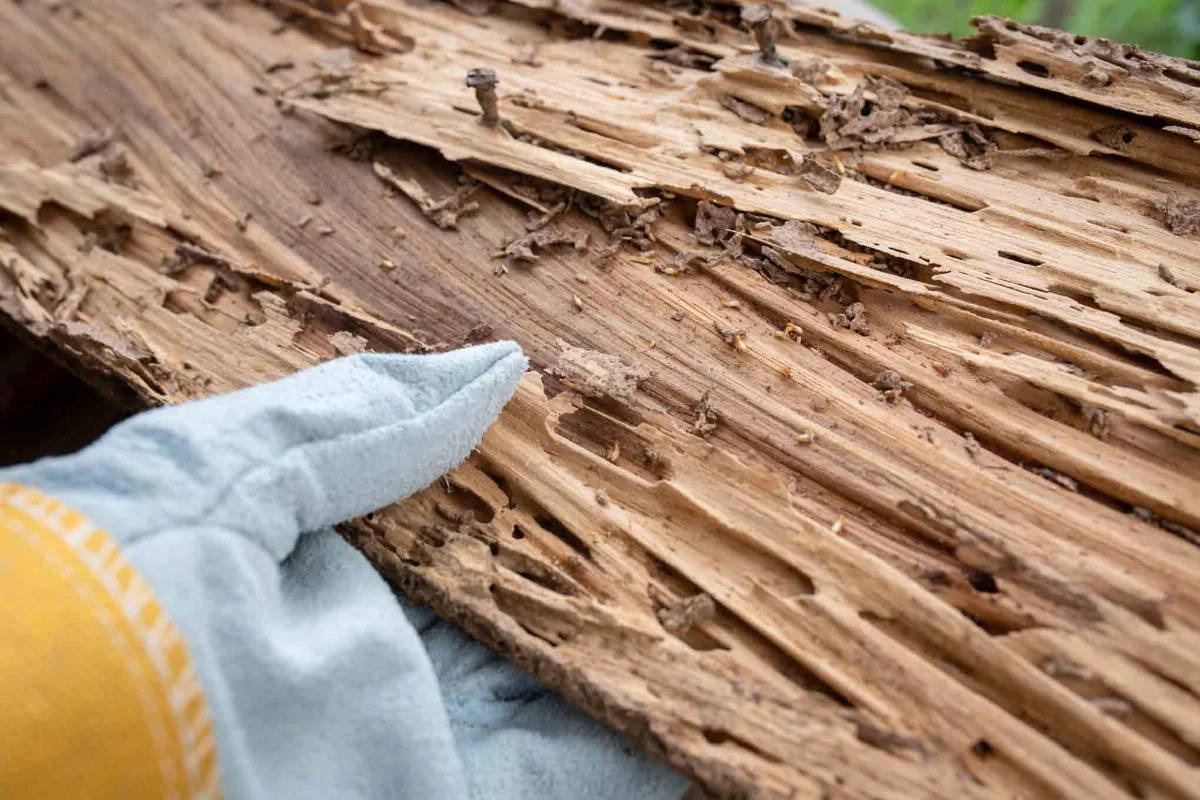
HOW TO IDENTIFY AND PREVENT TERMITE DAMAGE
In this blog, we’ll discuss how to spot the early signs of termite infestations, practical steps to prevent damage, and why professional treatment is the most effective way to eliminate termites for good.

TOP PEST CONTROL TIPS TO PREPARE YOUR HOME FOR WINTER
As winter settles in Philadelphia, PA pests like rodents, spiders, cockroaches, and termites seek warmth, shelter, and food inside homes, posing risks to health and property. Proactive prevention, including sealing cracks, storing food properly, inspecting basements and attics, and maintaining a tidy yard, can significantly reduce infestation risks.
FAQs
What are the most common household pests?
The most common household pests include ants, cockroaches, rodents, spiders, bed bugs, and termites. Each pest requires specific control methods, which professional pest control services can provide through customized treatment plans.
How often should I schedule professional pest control treatments?
The frequency of pest control treatments depends on factors such as:
- Type of pests in your area
- Season and climate
- Property size and condition
- Severity of infestation
Generally, quarterly treatments are recommended for ongoing prevention, with additional services as needed for active infestations.
Are pest control treatments safe for children and pets?
Modern pest control treatments, when applied by professionals, are formulated to be safe for humans and pets. Technicians use targeted application methods and low-toxicity products. However, it’s important to follow post-treatment instructions, such as staying out of treated areas for a specified time.
What's the difference between prevention and extermination in pest control?
Prevention focuses on creating barriers and conditions that deter pests from entering or thriving in your property. Extermination involves eliminating existing pest populations. Effective pest management combines both approaches for long-term control.
How can I prevent pests from entering my home?
To prevent pest entry:
- Seal cracks and gaps in walls, foundations, and roofs
- Install door sweeps and window screens
- Keep food in airtight containers
- Maintain a clean environment
- Reduce moisture and fix leaks
- Trim vegetation away from the house
Professional pest control services can provide comprehensive prevention strategies tailored to your property.
What are signs of a hidden pest infestation?
Signs of hidden pest infestations include:
- Unusual odors
- Unexplained noises in walls or attics
- Droppings or urine stains
- Gnaw marks on wood or wires
- Damaged fabrics or papers
- Discarded insect wings or shed skins
If you notice these signs, contact a pest control professional for a thorough inspection.
Your Pest
Our Problem
Pest Control Services
ants
Ants will invade your space in search of food and water, creating unsightly trails. Our ant treatment plans focus on locating and eliminating the nest, ensuring long-term control.
BED BUGS
Bed bugs are elusive parasites that cause itchy bites and sleepless nights. Our bed bug control includes thorough inspections, targeted treatments, and follow-ups to eradicate these pests.
BEETLES
Beetles can damage stored food, fabrics, and wooden structures. We offer swift beetle control and implement preventative measures to protect your belongings from infestations.
BOXELDER BUGS
Seeking warmth in fall and winter, boxelder bugs often invade homes in large numbers. Our boxelder bug treatments focus on sealing entry points and using insecticides to manage and prevent infestations.
CENTIPEDES
Centipedes are fast-moving and like to hide in hard to reach spots. Our centipede exterminators use specialized techniques to find and target these nocturnal predators.
COCKROACHES
Cockroaches are known for their unsettling appearance and behavior. Our roach control includes detailed inspections, sanitation recommendations, and targeted treatments.
CRICKETS
Crickets are noisy and can damage fabrics and other materials. Our cricket control focuses on eliminating their breeding sites and using insecticides to control their presence.
EARWIGS
Earwigs are unsightly and can cause painful marks with their pincers. We target their hiding spots and prevent them from returning with our specialized earwig treatments.
FLIES
Flies create an unhygienic environment as they spread germs and bacteria. We target their breeding sites and use effective fly control methods to ensure your space remains clean and healthy.
