

West Nile virus has been confirmed in people across the tri-state area this season: 35 cases in New York City, 7 in Nassau, 6 in Suffolk, 26 across New Jersey including the state's first death of 2026, and 4 in Philadelphia. Mosquitoes stay active until the first hard frost, so the season is not over. Here is where things stand, county by county, and what to do on your own property.
The 2026 season at a glance
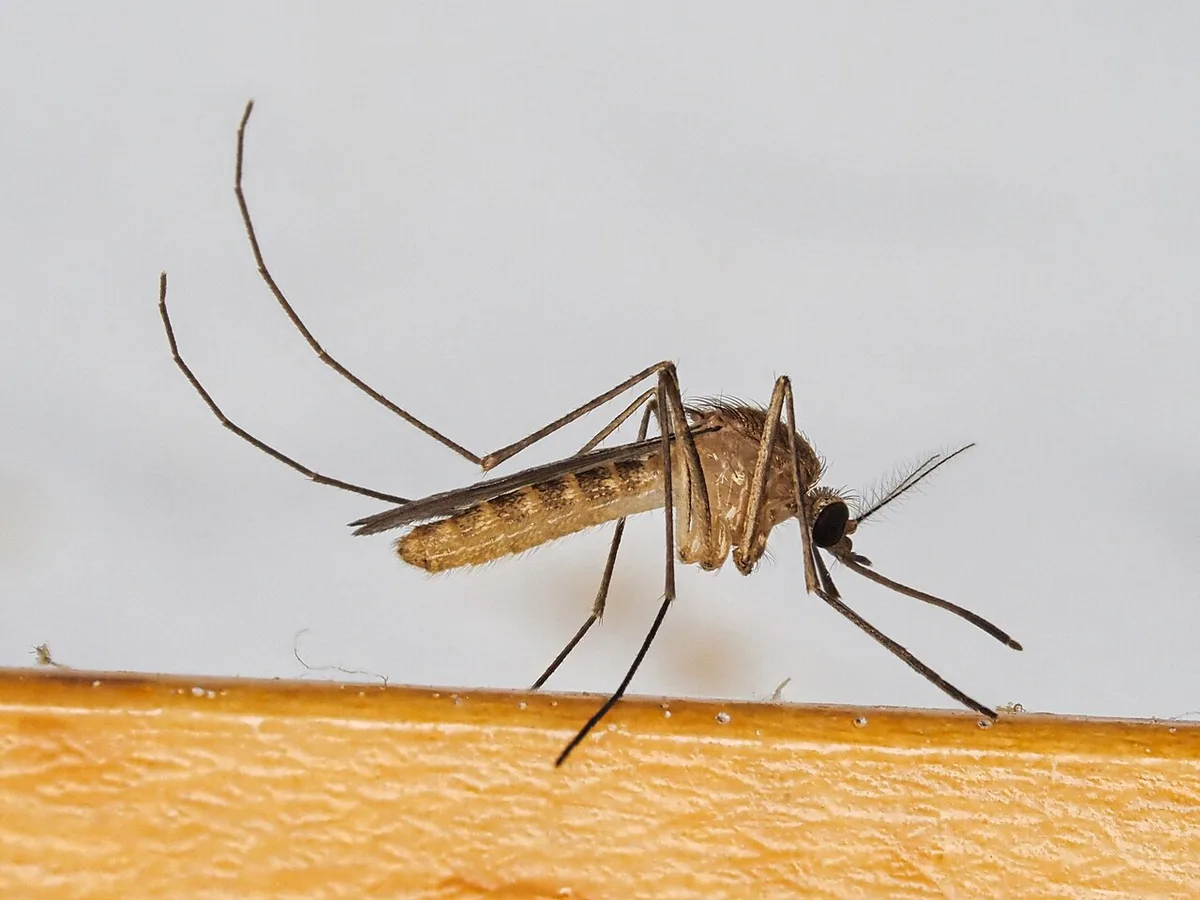
West Nile is carried by Culex mosquitoes, which breed in small amounts of standing water and bite mostly at dusk and dawn. Most people who are infected never notice. About one in five develop fever, headache or fatigue, and about one in 150 develop serious illness affecting the nervous system. Older adults and people with weakened immune systems are at highest risk.
Human cases were confirmed from mid-August into October, and health departments in all three states are still asking residents to take precautions.
New York
New York City
The New York State Department of Health's report for the week ending October 3 lists 35 locally acquired human cases in the five boroughs: 12 in Brooklyn, 9 in Queens, 8 in Staten Island, 3 in the Bronx and 3 in Manhattan. The city had logged more than 1,600 positive mosquito pools by mid-September.
Nassau County
Seven human cases year to date, with 47 positive mosquito pools. Rest Easy serves all 125 towns in Nassau County.
Suffolk County
Six human cases year to date and 147 positive pools, second only to Rockland among counties outside the city. The first case was confirmed on August 18, a Town of Brookhaven resident. See our Suffolk County page.
Westchester County
The county reported its first case on September 1, a Yonkers resident who had recently traveled outside the county; at the time, officials were still determining where exposure occurred. The state's October 3 report counts one locally acquired Westchester case. See our Westchester County page.
New Jersey
On October 2 the New Jersey Department of Health reported 26 human cases statewide for 2026, including the state's first death of the year, with West Nile found in mosquito pools in every county.
Camden County
Three human cases, one of the three counties the state named. We serve all of Camden County.
Bergen County
The county's August 19 update reported positive mosquito pools but no human case, and the New Jersey Department of Health's October 2 release did not name Bergen among the counties with the most human cases. The county is among New Jersey's highest for positive mosquito pools, and the county mosquito program ran truck spraying in Bogota, Hackensack and other towns in August. Our Bergen County technicians cover all 70 towns.
Pennsylvania
Philadelphia
The Philadelphia Department of Public Health reported four human cases on September 4 and noted that West Nile-positive mosquitoes have been found in 46 of Pennsylvania's 67 counties, including every county in southeastern Pennsylvania. See our Philadelphia page.
What you can do at home
Health departments in all three states give the same advice:
- Dump standing water weekly. Flowerpot saucers, birdbaths, kiddie pools, pool covers, buckets, wheelbarrows, clogged gutters. Culex needs only a bottle-cap of water.
- Fix screens on windows and doors.
- Use an EPA-registered repellent with DEET, picaridin or oil of lemon eucalyptus at dusk and dawn.
- Cover up with long sleeves and pants in the evening.
- Report mosquito problems to your county or city mosquito control line. Philadelphia: 215-685-9000.
When a mosquito service makes sense
If your yard is unusable at dusk, or you have a pond, retention basin or wooded wet area next door that you cannot drain, a residential mosquito program can bring the numbers down. Rest Easy's approach is a barrier treatment of the vegetation and shaded areas where adult mosquitoes rest, plus larvicide in standing water we cannot remove. We cannot promise 100% elimination — mosquitoes fly in from neighboring properties — but treated yards see substantially less activity.
Our program runs through the end of mosquito season, usually late October. Call 888-927-9842 for a free, no-obligation phone quote, or read more on our mosquito control page and our background piece on West Nile risks and prevention.
Frequently asked questions
- Is West Nile still a risk in October?
- Yes. Culex mosquitoes remain active until the first hard frost, and New Jersey's first West Nile death of 2026 was reported on October 2. Keep dumping standing water and using repellent until nighttime temperatures stay below freezing.
- Which counties near me have confirmed human cases in 2026?
- As of early October: New York City (35 cases across all five boroughs), Nassau (7), Suffolk (6) and Westchester (1) in New York; 26 cases across New Jersey, including Camden (3); and Philadelphia (4) in Pennsylvania. Positive mosquito pools have been found far more widely, including every New Jersey county and all of southeastern Pennsylvania.
- Does mosquito spraying get rid of West Nile?
- No single treatment does. County spraying targets adult mosquitoes in a neighborhood for a few days. A residential program reduces the adult population resting on your property and treats breeding water you cannot drain. Neither eliminates every mosquito, which is why repellent and standing-water removal still matter.
- What are the symptoms of West Nile virus?
- Most infected people have no symptoms. About one in five develop fever, headache, body aches, fatigue or a rash within two to 14 days of a bite. About one in 150 develop serious illness affecting the nervous system. See a doctor for unexplained headache, weakness or confusion after mosquito exposure.
- Can my dog or cat get West Nile?
- Dogs and cats can be infected but rarely become ill. Horses are the domestic animal most at risk, and an equine vaccine exists. Birds, especially crows and jays, are the virus's main reservoir.
Sources
- NYS DOH Mosquito-borne Illness Weekly Report, MMWR week 39 (Sep 27–Oct 3, 2026)
- NYC (NY1, Sep 16 2026)
- NJ Department of Health, Oct 2 2026
- Philadelphia Department of Public Health, Sep 4 2026
- Westchester County, Sep 1 2026
- Suffolk County (South Shore Press, Aug 19 2026)
- Bergen County (Patch, Aug 19 2026)